
Our Christmas gift guide for disabled children with complex needs

It’s easy to fall into the trap of buying the latest, most expensive toys for our children at Christmas. But what truly matters is giving gifts that spark joy and create a connection. That’s why we’ve put together an exclusive guide of the best Christmas gifts, carefully tailored for disabled children with complex needs.
Books to spark curiosity
Accessible Books – From £6.50
Books form a part of every child’s learning and development. Hearing children grow up immersed in language – they hear words everywhere and see lots of books all the time, but every child deserves to be immersed in language too.
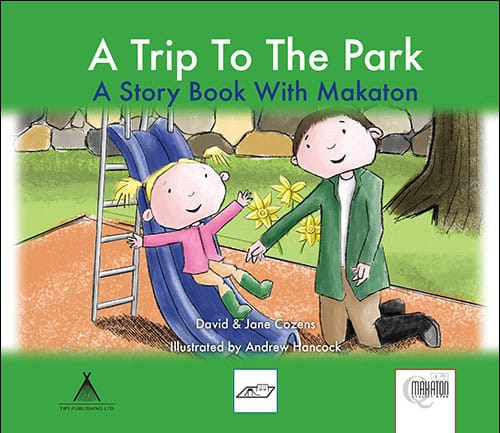
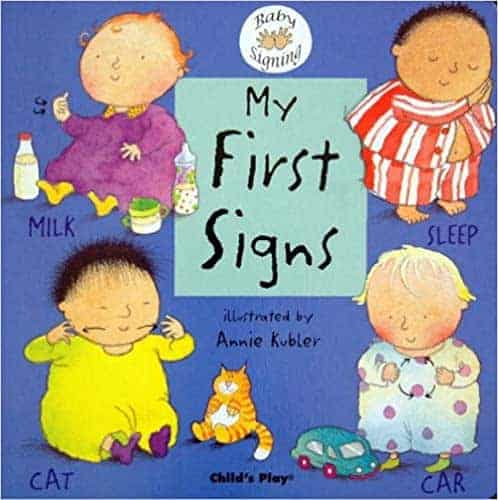
British Sign Language (BSL) books, like My First Signs, are great for young children who sign. You can also get Makaton books for children who use that.
Children with little or no vision who don’t use signing might prefer tactile books. These are story books with lots of different textures for them to feel. The RNIB sells a great selection of tactile and braille books.
You could also sign your young person up for a membership to Living Paintings or ClearVision, which would allow them to rent audiobooks, braille or tactile books throughout the year.
Meaningful experiences for families
Gifts don’t have to be toys; often the best gift to give is a lasting memory! Experiences can be a great way to bring people together to celebrate Christmas as a family.
National Trust membership – From £4 a month
It may not look like much, but a National Trust membership gives family’s lots of safe spaces they can access. And for young people with complex needs, two carers can go with them for free. I spoke to a mum recently who said it was the best £12 she’d ever spent!

Light trails – Varying per event
Over the dark winter months, light trails pop up in garden centers and other open-aired community spaces across the country. They are a great way to bring the family together in a safe, sensory environment and enjoy a memorable experience.
Our Sense Active team loves taking people on light trails every year! To find out what’s happening near you, email [email protected]k

Toys, glorious toys!
Any Christmas gift guide without toys would be downright Scrooge-y. Toys are a great way to encourage sensory engagement while having fun.
Cause and effect toys – From £24
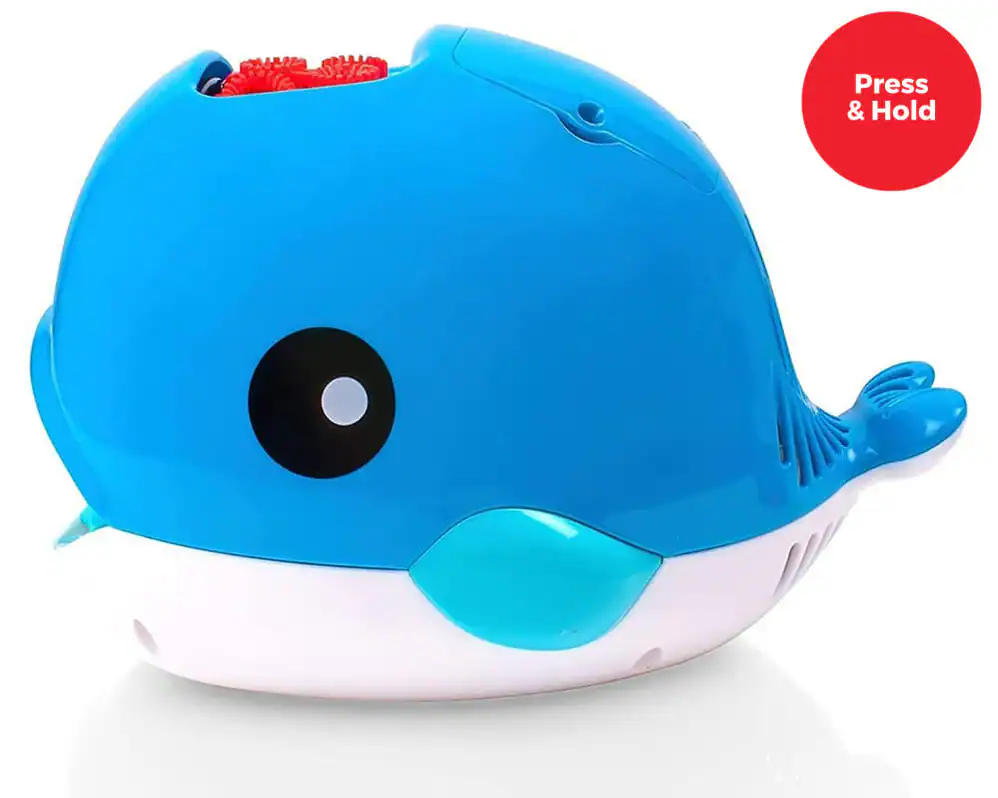
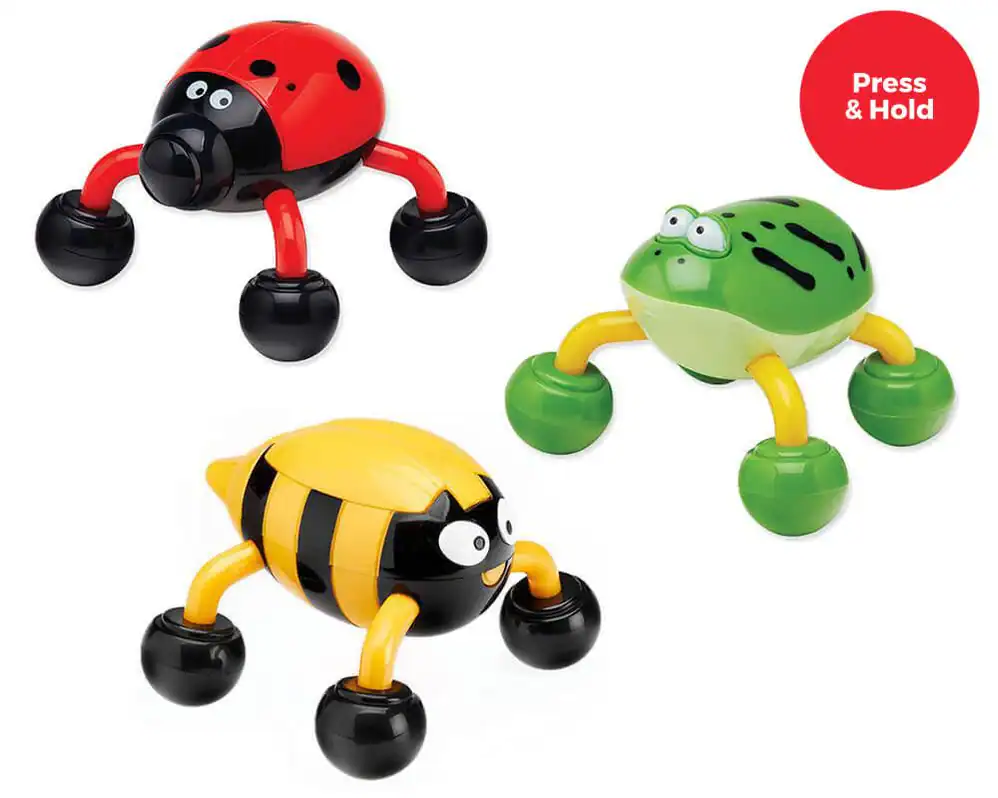
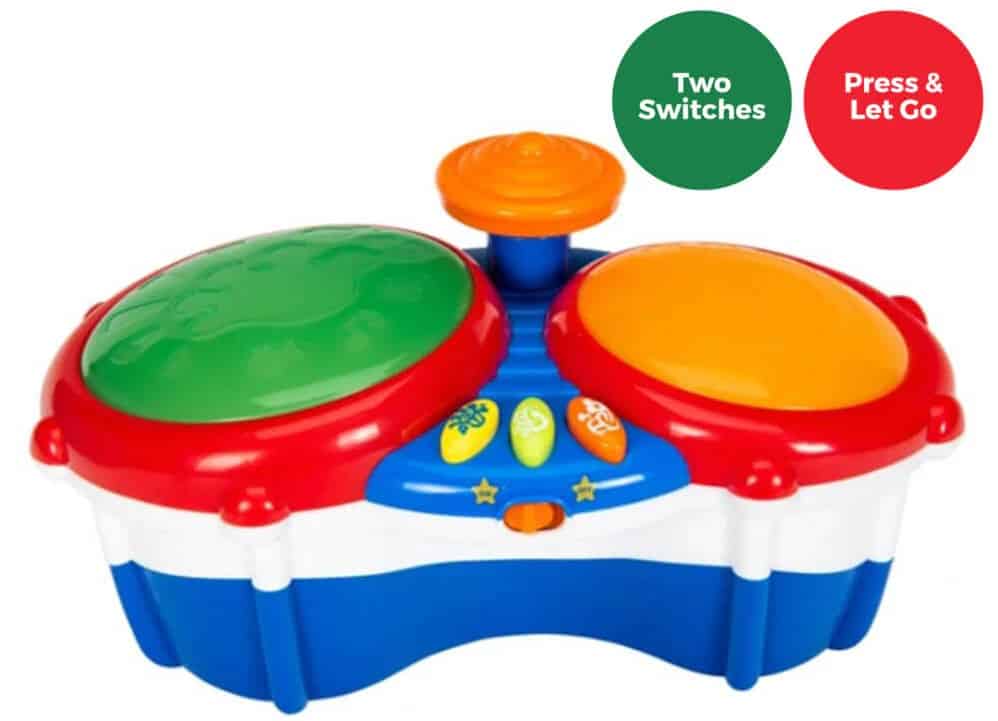
Sorry for the technical term! We simply mean a toy where the child does something and then experiences a result that is fun and engaging, like banging a drum. Simple experiences through toys can help children learn what they can do to make something happen. That’s why switch adapted toys like these are great for supporting early development:
- Bongo Drums
- Blue Whale Bubble Machine
- Handheld Vibrating Animal Massagers
Noise-making toys – From £25
You can never go wrong with auditory toys. All children love making noise and feeling vibrations, including those with sensory impairments.
Very few children with a hearing impairment have total hearing loss, so they may be able to pick up some sounds, but it’s important to remember that all sound has resonance, so they can always feel it!
- Bluetooth speaker – You could even build your own resonance board at home too!
- This set of wooden musical instruments is perfect for children aged one and up.
Light-up and visual toys – From £1.50
Generally speaking, lots of children love light-up toys. If the child you’re buying for has a visual impairment but some light perception, light-up toys can be suitable for them. Harvey, this year’s Christmas story, loves light up toys as a way of engaging with Christmas.
- Check out these Christmas party favourites
- Or have a Christmas boogie with this adapted Disco Ball

Homemade holiday fun
We know that disabled families are more likely to be hit with higher costs at this time of year, which is why I wanted to end my gift guide with some DIY, affordable Christmas activities. Here are two examples of how you can bring Christmas to life, without needing to break the bank:
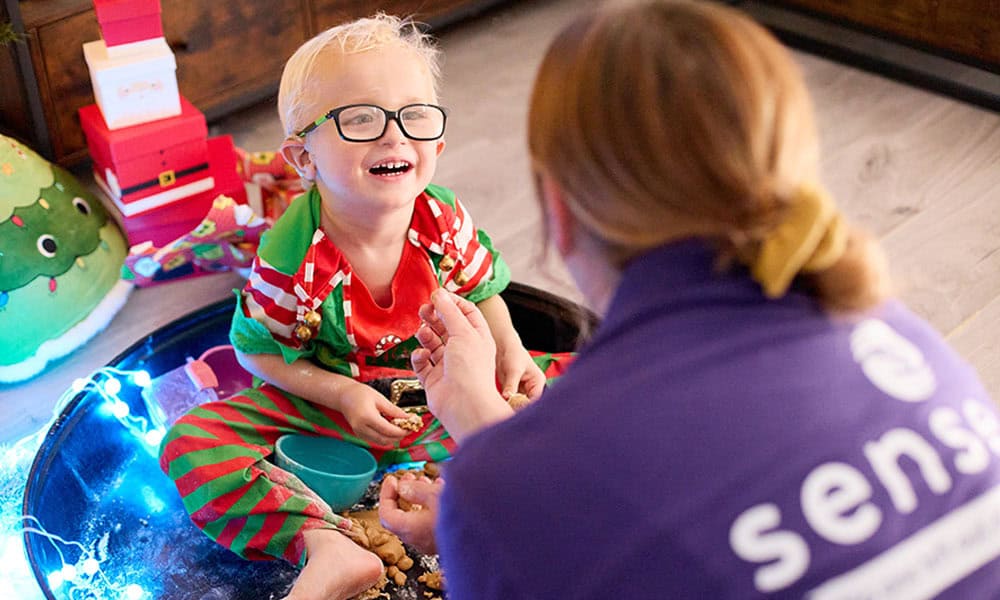
Try some Christmas-themed messy-play
Messy Play is all about letting children explore different textures. Some children prefer dry messy play, so they can brush things off their hands quickly. Other children like more sticky or soggy textures.
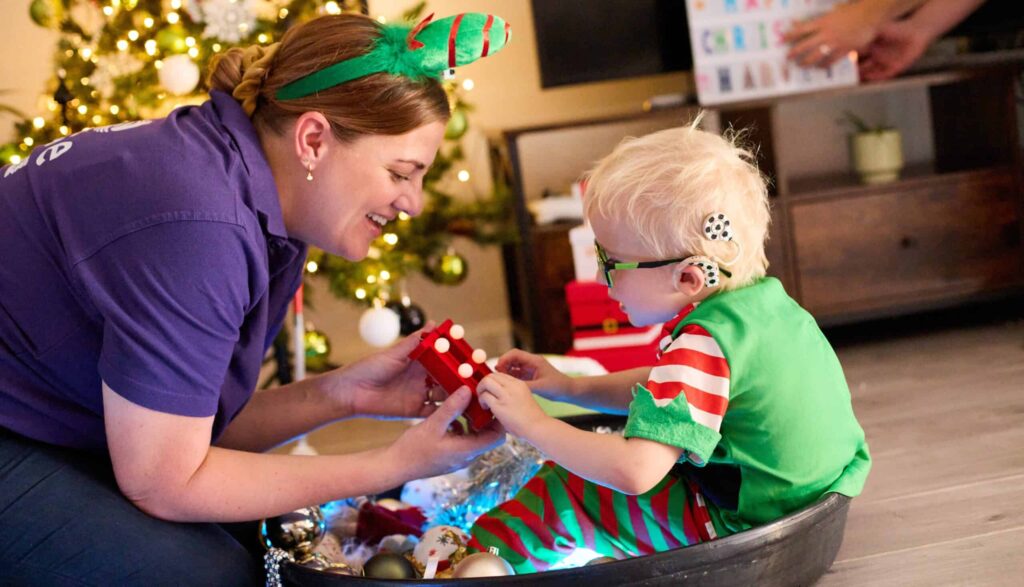
It’s important to use things that are edible and not a choke hazard, because a lot of children like to explore things with their mouths!
- Find a shallow, clear tray or bowl. Harvey is already sat in his in the image above!
- Fill the tray with your messy materials. This could be wet or dry and could include things like snow, ice, wrapping paper, tinsel or even festive food items like stuffing or cinnamon sticks!
- Add some Christmas-themed toys. You might want to add some Christmas items into your messy play tray for your child to find.
- Get messy! There’s no rules to messy play – it’s all about letting your child get stuck in at their own pace.
Build a Christmas Den
A Sensory Den is a great way to create memories between you and your child this Christmas. A little effort goes a long way when it comes to having fun!

- Find a large table, dark corner of a room or shielded area to turn into the den. You could even use a big cardboard box!
- Build a roof and walls for the den. This can be done with furniture, blankets or even wrapping paper, designed to block sensory elements like light and noise.
- Decorate! Fill the den with Christmas toys, decorate the interior with tinsel or use glow in the boubles – it is up to your imagination!
- Have fun! Over time you can incorporate different Christmas-themed textures and items.
Thank you for taking the time to read our Christmas Gift Guide. We hope that we’ve given you loads of ideas to get inspired, Merry Christmas!
Gift a child a sensory toy this Christmas
Harvey’s brothers can play with any toy they unwrap. But for children like Harvey, who is deafblind, it’s not that simple.
Donate now to stock up our sensory toy library in time for Christmas.