

Transition – moving from children to adult services

Throughout childhood, anyone with complex needs will have had support from health, social care and education services.

As you get older, you may need similar support from adult services to meet your changing needs.

Steps will be put in place to help make this move as easy as possible.

Transition is the word often used to describe the process when you move from being a child to an adult. It covers the period between ages 14 and 25.

It may include steps to help you:

  • Move to adult healthcare services.
  • Move to adult social care services.
  • Go from school to college.
  • Get a job or start training. 
  • Manage housing and benefits.
  • Prepare generally for adult life, including managing money, transport, a social life, friendships and relationships.

The most important thing is to start thinking and planning early and get support to help you through your transition process.

Here you will find information to help you do this.

Planning for your transition to adult life

4 people are dancing with their arms in the air

Transition planning

There can be a lot to think about when you’re getting older and moving from child to adult services, and many people may be involved.
Carer talking to young man in wheelchair

Person-centred planning

Making sure your care and support is right for you.
A young woman using a tablet to communicate.

Tips to cope with transition for disabled young people and their parents

This page tells you what you can do to help you through the changes as you move on to life as an adult.

Education support for teenagers

A young child is supported in sensory play.

Education, health and care plans

This page covers education, health and care plans (EHCPs), including what they are, what they look like and whether your child needs one.
Two young men smiling, one of them is wearing a blue baseball cap and the other a red teeshirt

Support for children over 16 in education or training

This page covers support in education or training for children aged 16 and over with special educational needs or disabilities (SEND).

Finding work and a place to live

Chris, a white man with short brown hair and tattoos, sitting looking at LinkedIn on a computer monitor.

Support for disabled people finding work

Support to help you find work and know your rights as a disabled person at work.
Lin Wallace, a supported living tenant, loading a washing machine.

Housing and how to choose where to live

Options you can explore, and top tips for finding the right place for you.

Transition to adult services

A group of women signing to each other

Moving to adult health and social care services with complex needs

This page explains what will change when you reach 18 and move to adult health and adult social care services.
A group of people taking part in Sense Yoga.

Paying for care and support for disabled people with complex needs

The different ways your care and support can be paid for as an adult with complex needs.
Young woman wearing glasses laughing.

Changing from Disability Living Allowance (DLA) to Personal Independence Payments (PIP) at 16
Everything you need to know about moving from DLA to PIP when your child turns 16.
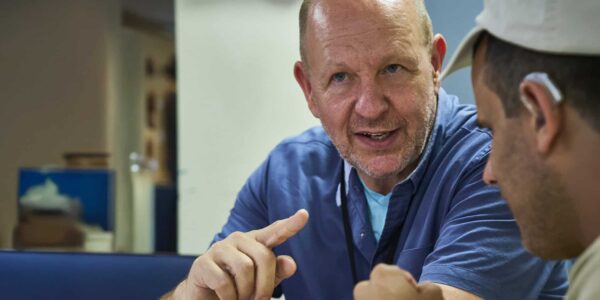
A man is explaining something to another man who is wearing a hearing aid

Benefits and financial help if you’re a disabled adult

The main benefits you may be entitled to depending on your age, disabilities and situation.
A woman in a hijab points to some paperwork, while a man sat next to her glances over

Personal budgets and direct payments

A personal budget is an amount of money that the local authority agrees to pay for your care. It can be paid as direct payments.

Get support from Sense

Find out more about the Sense services on offer for disabled people over 18.

This content was last reviewed in April 2023. We’ll review it again in 2025.