
We’re shaping the future of adult social care with the Casey Commission
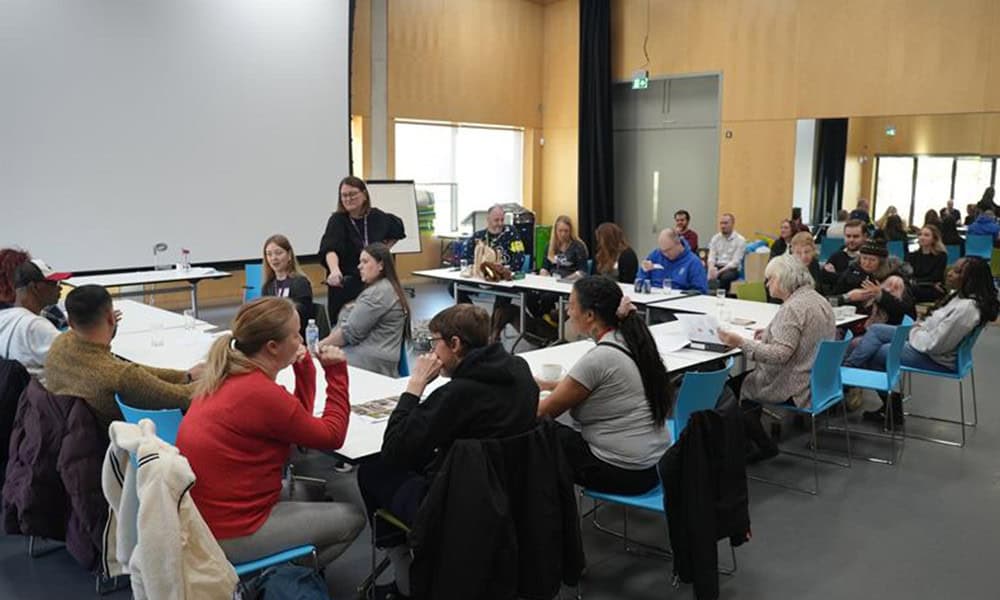
Last week, we were delighted to welcome the Casey Commission on Adult Social Care to Sense TouchBase Pears.
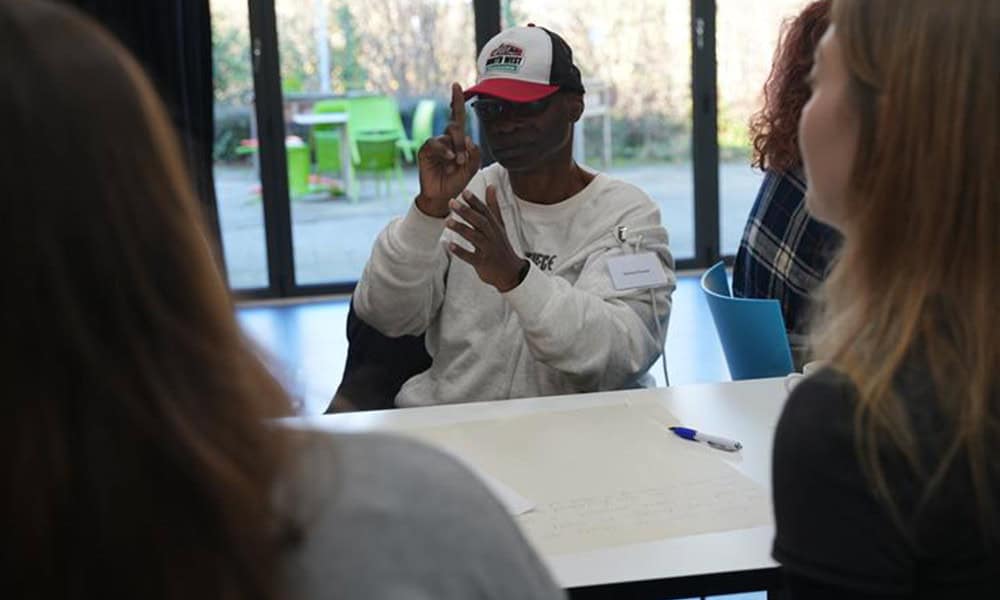
It was a brilliant and inspiring day. Disabled people with complex needs shared their honest hopes, fears and ideas about the future of social care.
One member of the Commission told me afterwards that it had been “a privilege” to be part of the day and meet everyone. They left with a far deeper understanding of the barriers disabled people with complex needs face every day.
What is the Casey Commission?
The Casey Commission is a government-appointed group looking at adult social care. Its role is to understand what is working, what is not, and what must change to build a fairer, more sustainable system.
Why does it matter?
This was a rare and powerful influencing moment – national decision-makers hearing directly from the people whose voices matter most; those using social care.
What happened on the day?
After a warm welcome, the Commission met members of our Sense User Reference Group (SURG), who spoke candidly about what good support feels like, what gets in the way, and what would transform their lives.
Over lunch, Keith and John, who live in our residential settings, and their support staff shared what independence means to them and the support that helps them thrive, while also highlighting the real pressures facing the sector.
At Sense College, the Commission saw first-hand how students build communication, confidence and independence in creative, supportive spaces.
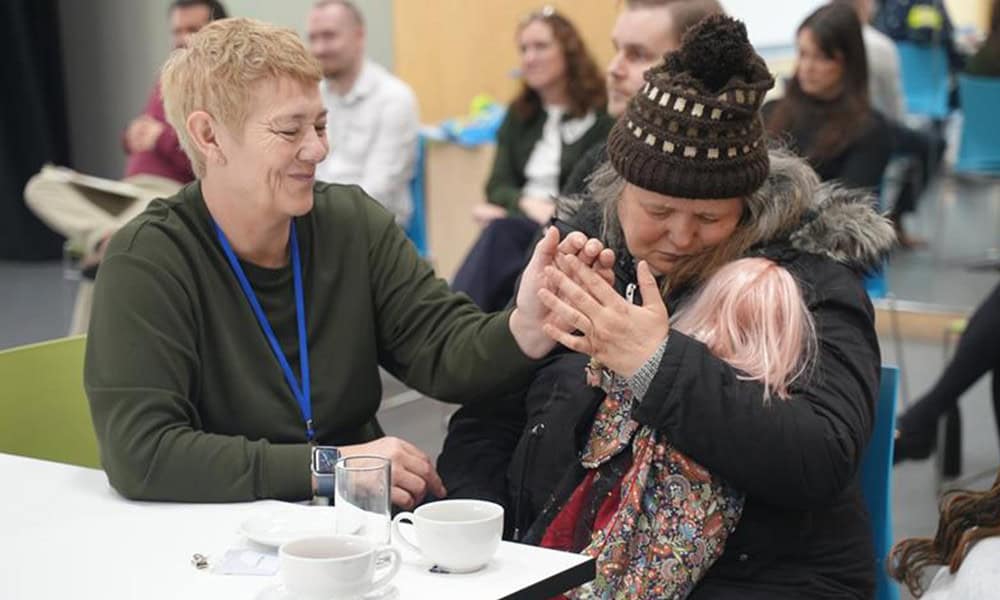
Families then spoke openly about the challenges of transitioning into adult social care – a stage that too often feels confusing and fragmented.
What’s next?
All day, the warmth, honesty and expertise of the people we support shone through. Their stories gave the Commission a deeper and much richer understanding of life for disabled people with complex needs, insight that will help shape future government policy.
We’ll now be submitting videos and written evidence to keep championing the needs of disabled people with complex needs in the future of social care.
Thank you again to everyone involved – watch this space!
Keep in touch
Not getting our updates? Our emails land in your inbox every week.