
Half of disabled people ‘humiliated’ during benefits assessments, new research finds
- New research by the national disability charity Sense reveals the toll the current benefits process takes on disabled people’s health and wellbeing, with more than half (51%) feeling humiliated during their benefits assessment
- Nearly half (45%) say applying for benefits has made their disability or condition worse
- Sense says its research lays bare ‘serious flaws’ at the heart of the UK welfare system and has launched a Benefits Charter calling for a fairer benefits system for disabled people.
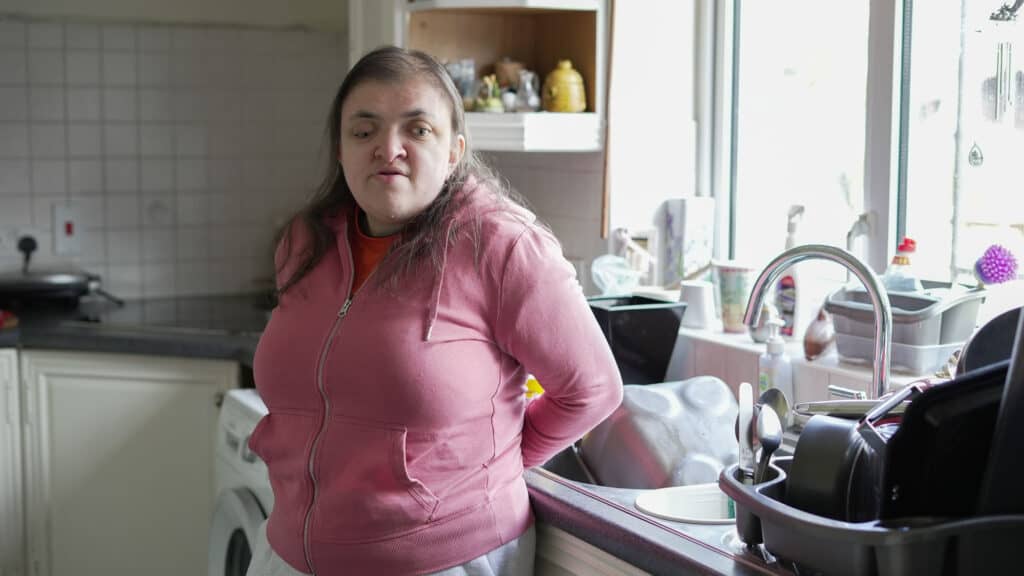
9 October 2024 – The national disability charity Sense has today called for a benefits system that treats disabled people with dignity, after its new research* found half (51%) of disabled people feel humiliated during benefits assessments.
Sense’s research lays bare the huge toll the current benefit system takes on disabled people. Over half (58%) of the 1,000 disabled people polled by Sense felt scared before their benefits assessment, and shockingly almost half (45%) said going through the benefits process made the symptoms of their condition worse. Sense’s research focuses on the experiences of people with complex disabilities** who tend to have multiple disabilities and higher support needs.
Many people with complex disabilities also flagged issues with the accessibility of the process. Four in ten people (43%) said they had been repeatedly contacted in a format that doesn’t meet their needs, despite telling the Department of Work and Pensions how they should be contacted. The charity says its findings make clear that the benefits assessment process is not working for millions of disabled people in the UK, and is in urgent need of reform.
Sense says the problems don’t end once a person has been assessed for benefits, as many current benefits are set too low and do not allow disabled people to live with dignity. Half (51%) of those polled say the money they receive isn’t enough to cover the extra costs they face due to being disabled, which can include increased energy bills for medical machinery – more than a third (37%) surveyed are behind on their energy bills.
Sense is urging the new government to make major reforms to the benefit system in light of these findings. The charity is calling for the Government to put these five key principles at the heart of the benefits system:
1. A fully accessible, co-produced system.
2. An application process that makes it as simple as possible for disabled people to claim the support they need
3. Benefits rates that allow disabled people to afford the essentials and have a decent standard of living.
4. Support for disabled jobseekers to enter work
5. Recognition of the role of the benefits system in enabling people to live independently
Richard Kramer, Chief Executive at the charity Sense, said:
“Our research has exposed serious flaws with the benefits system – which disabled people are paying the price for.
“It is unacceptable that people with complex disabilities are feeling humiliated and scared, and having their condition deteriorate because of their benefits assessments.
“The government needs to build a benefits system that affords people dignity, leads to accurate decisions and gives people the money they need to afford the essentials.
“We hope the government will listen to Sense’s key recommendations, which if implemented we believe will significantly improve disabled peoples’ experiences of applying for and being awarded benefits.”
Charlotte said:
“My assessment for PIP [Personal Independent Payment] was over the phone and then they sent the paperwork through in print, which means I couldn’t review it. My mum read it to me and there were lots of things recorded that weren’t as I remembered them.
“For ESA [Employment Support Allowance] I had the assessment in person, and they asked how I got there. My mum said we’d gone by train, and she’d had to guide me and make sure people didn’t bump into me and all those sorts of things, but they still said I was able to travel independently and so didn’t need ESA. I need assistance to get from A to B, and just because I have people like my mum who are willing to help and will always help me when they can, it doesn’t mean I want to be dependent on them all of the time.”
Notes to editor:
*The research was conducted by Censuswide, on behalf of Sense, who surveyed 1,001 people with complex disabilities receiving benefits across the UK between 24 May and 30 May 2024. Censuswide abide by and employ members of the Market Research Society which is based on the ESOMAR principles.
**People with complex disabilities tend to have multiple disabilities that make it harder for them to learn new skills, communicate or live independently. There are 1.6million people with complex disabilities living in the UK.