
Lived experience research 2025
We carried out new research to better understand what life is like for disabled people with complex needs. The findings highlight their experiences.
We spoke to 12 people aged 6 to 60, using flexible and personalised methods to explore their lives at important moments and milestones. To reflect the wider community, we also commissioned a nationally representative poll of 1,500 disabled people with complex needs.
Together, these insights will enable us to:
- Shine a light on the challenges disabled people face.
- Identify the barriers that hold them back.
- Suggest the changes needed to build a fairer society.
Key takeaways
Disabled people with complex needs are over 10 times more likely to face food insecurity and more than twice as likely to experience loneliness as the general public.*
The picture that emerged
Our research shows that disabled people with complex needs live diverse, individual lives. Routine, consistency and everyday moments of joy matter to everyone. People of all ages spoke about the importance of friendships, relationships and social connections. But, many face major barriers to building and maintaining them.
Participants described ongoing mental health challenges, particularly during periods of change or transition. Looking ahead, people want greater autonomy and independence, but often feel this is out of reach without the right support. Too often, they encounter inaccessible systems, mismatched or insufficient care, and limited support to live life on their terms.
Themes in this section: loneliness and friendships, exclusion and public perceptions, cost of living and everyday expenses, social care and co-ordinated services.
Theme 1: Loneliness and friendships
One of the strongest themes across the research was loneliness. Many disabled people face challenges, including social barriers and limited support, when trying to build the social connections they want and deserve.
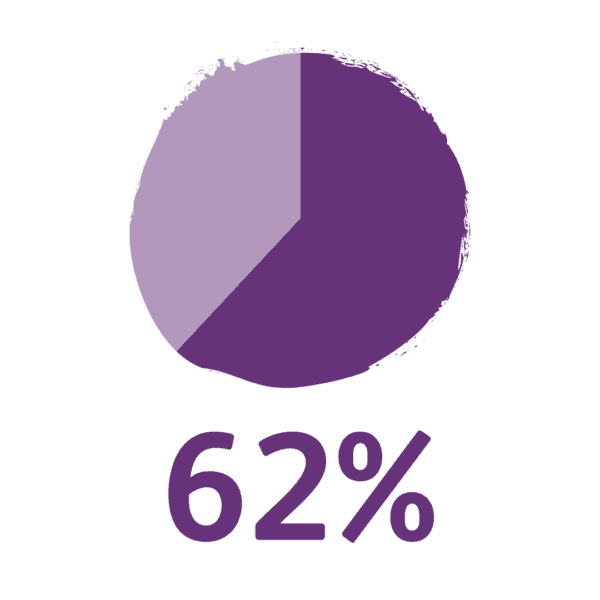
62% of disabled people with complex needs felt lonely compared to 26% of the general public.*
“I would like more friends to text when I need them, go shopping, cinema, etc. – normal friendships.
People can easily slip from my mind – like putting something away in a cupboard, you know it exists, but it’s not at the top of your mind.”
Samantha
Friendships and relationships are deeply important, yet many disabled people with complex needs face challenges in forming and maintaining these connections. Barriers such as limited social opportunities, practical support needs, and negative attitudes can make it harder to sustain meaningful relationships.
Despite these obstacles, participants highlighted the importance of connection, companionship, and being part of a social group.
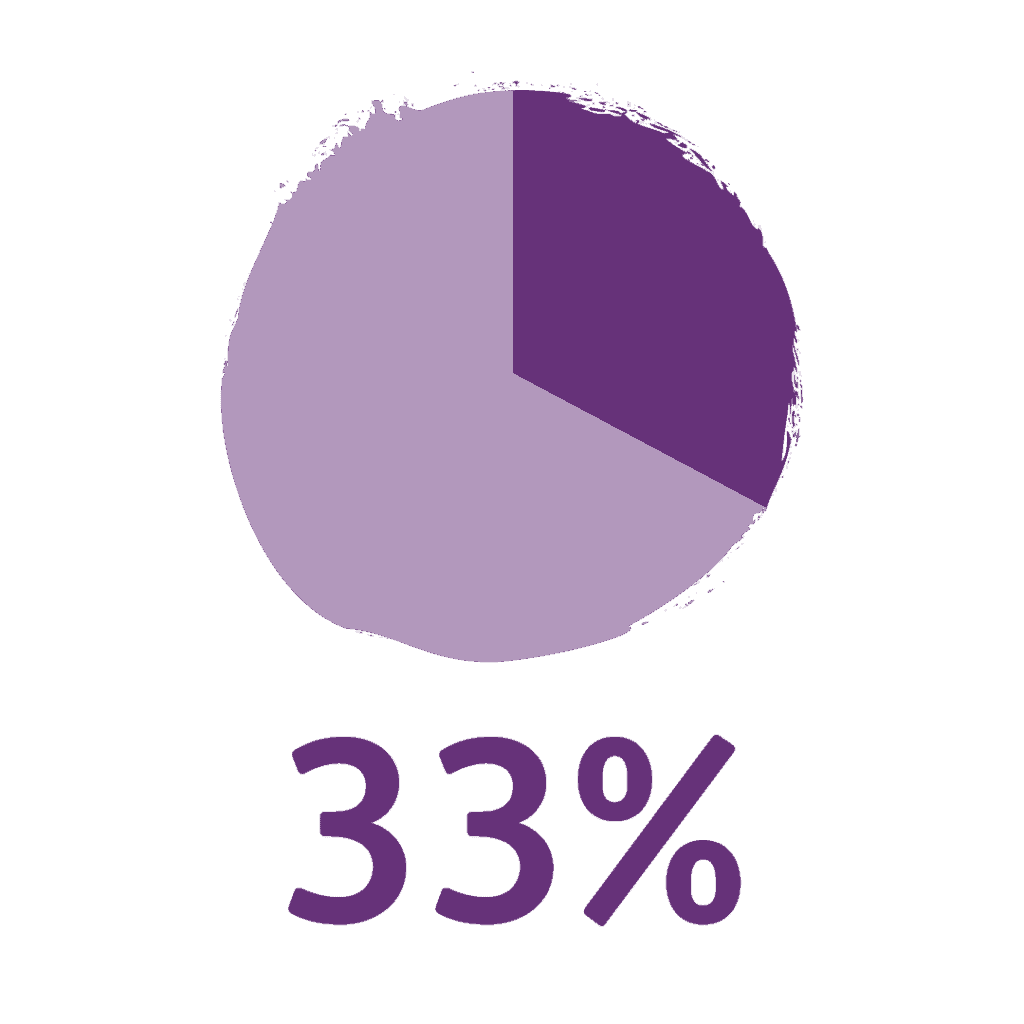
33% of disabled people with complex needs rely on the right care and support to be able to make new friendships, get out and about, and socialise at events.
“At nursery, he was always the odd one out and would often not get invited to parties. But at his special needs school, he’s found a friend – a boy who he most aligns himself with. They actually say, ‘hi friend’ and hug each other. They have very similar needs and gravitate to each other.”
Becky, Kyllian’s mum
Theme 2: Exclusion and public perceptions
Alongside loneliness, many disabled people described experiencing isolation, and feeling excluded or separated from the wider community.
This is often compounded by public attitudes. Misunderstandings about disability create additional barriers to participation, inclusion, and feeling understood. Negative assumptions or lack of awareness can make everyday life more challenging, affecting confidence, opportunities, and the ability to connect with others.
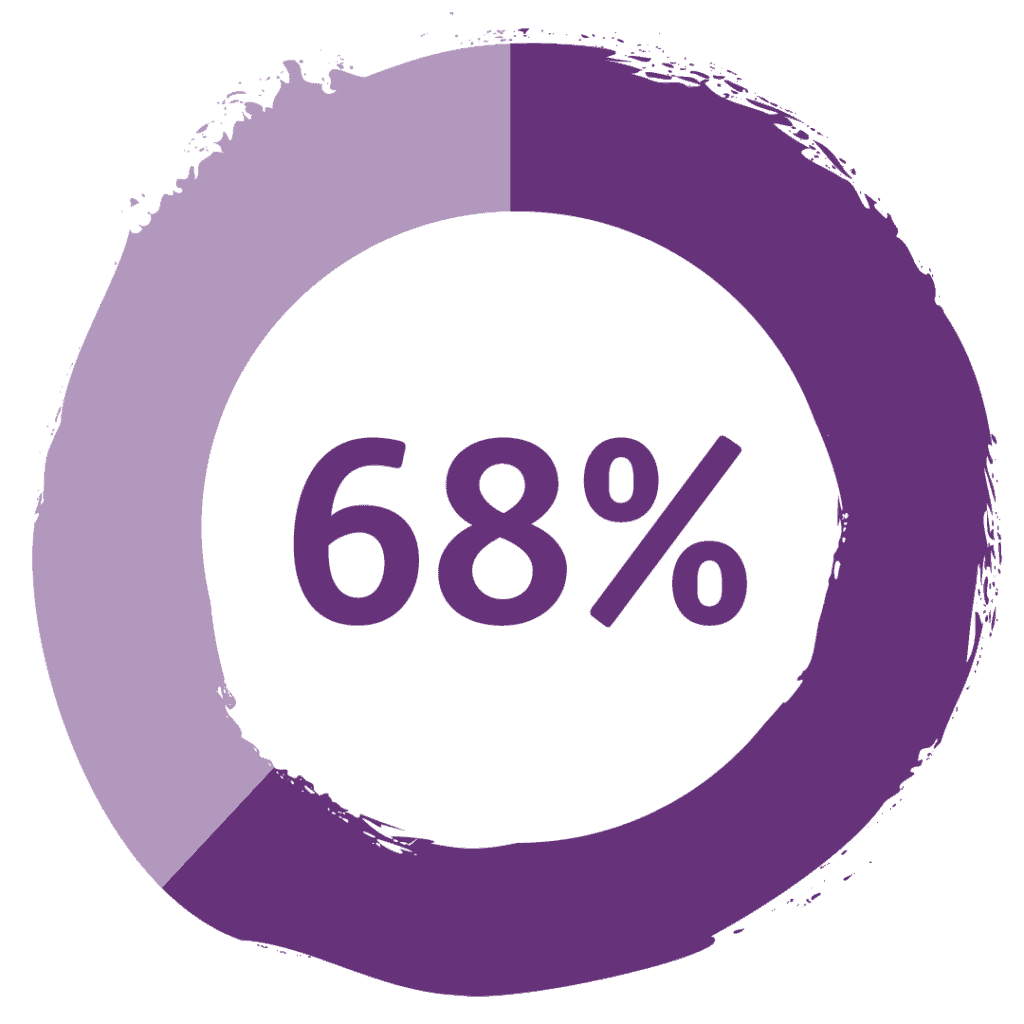
68% of disabled people with complex needs feel that they are underestimated because of their disability, and two-thirds (66%) feel invisible in society.
“I think for deafblindness; some people make assumptions. People assume you’re not as intelligent or not as professional as other people. You haven’t got the skill set. Deafblind people have a lot to offer.
It’s knowing that actually we want to work, we want to be included in society. Don’t just exclude us. Some people might need help with accessing information, communication and mobility, but it doesn’t mean to say you don’t want to be sociable.”
Janice
Theme 3: Cost of living and everyday expenses
The rising cost of living is a significant concern for many disabled people with complex needs. Everyday expenses including energy bills, food, transport and care can place considerable pressure on households.
Participants described how financial strain affects their independence, wellbeing, and ability to participate in society. This highlights the need for better support and understanding of the additional costs they face.

Over 2 in 5 (42%) of disabled people with complex needs ran out of food in the past 2 weeks and couldn’t afford to buy more, compared to 4% of the general public.*
“Those of us with life-long complex disability should not be subject to fear and anxiety and false economy… I would like to find some non-disabled people live for a period of time under certain economic restrictions that disability can bring and get them to reflect on their experiences.”
Outsiderartist72
Theme 4: Social care and co-ordinated services
Having the right social care and support is vital for disabled people with complex needs to live fulfilling and independent lives. Unfortunately, many face challenges navigating a complex and often fragmented system.
Participants described:
- Gaps in services.
- Mismatches between the care they need and the support available.
- Difficulties accessing timely, consistent, and person-centred care.
These challenges can affect daily life, independence, and overall wellbeing. This highlights the importance of a more responsive and understanding social care system.
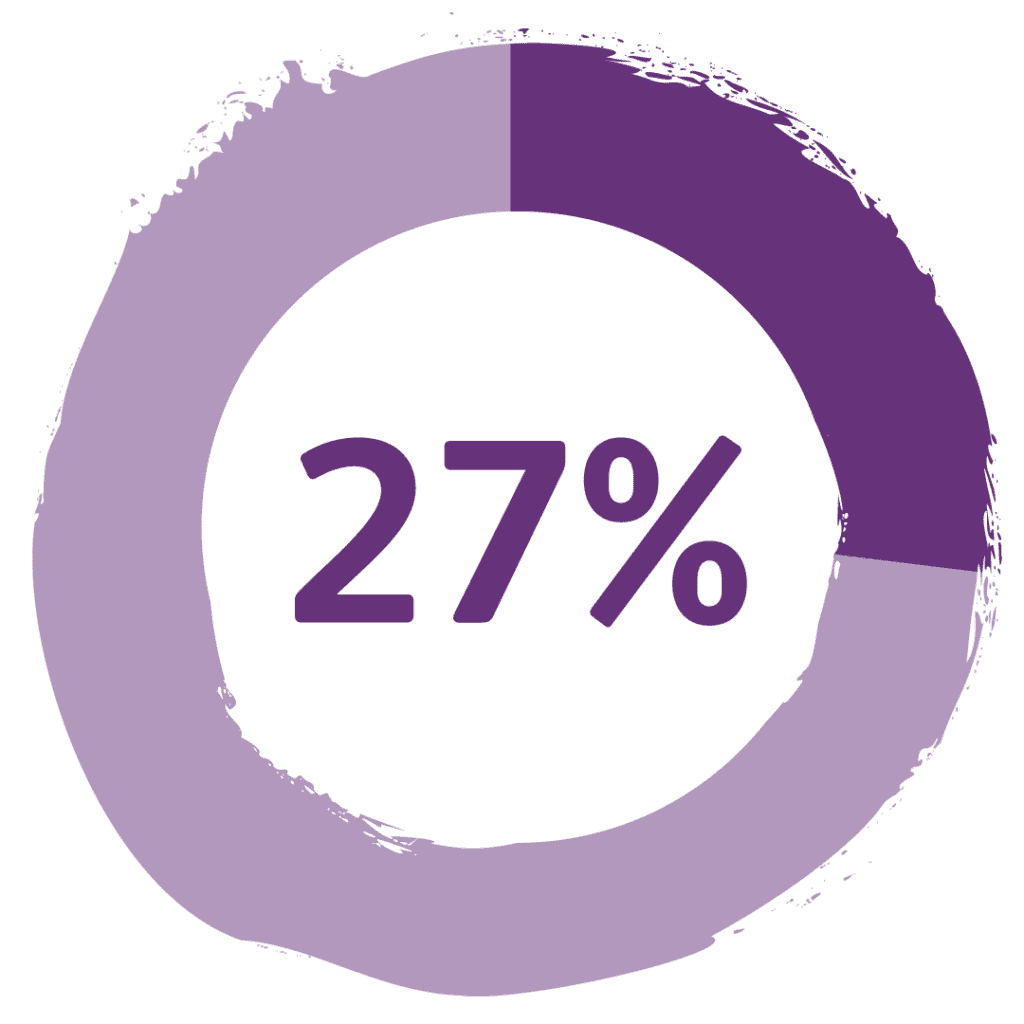
27% of disabled people with complex needs are not getting any support or help with day-to-day tasks, and nearly half (47%) of those receiving social care have had cuts to their support.
“There are so many departments with limited remits that overlap but don’t fully resolve issues. It’s like being trapped in a chess game that is too complicated to win at, where the rules change without warning. There is a lot of prejudice and assumption.”
Outsiderartist72

Over half (55%) of disabled people with complex needs who receive social care felt it gave them choice and control over their day-to-day life.
“Balancing Kai’s desire for independence with the realities of his limitations is a constant struggle. As we navigate the complex landscape of his needs and capabilities, we’re learning alongside him.”
Lauren, Kai’s mum
Many disabled people with complex needs described difficulties when different services fail to coordinate effectively. Gaps and fragmentation across health, social care, education, housing, and benefits systems can create confusion, delay support, and add unnecessary stress.
Participants highlighted how this lack of joined-up services makes navigating everyday life more challenging, particularly during times of change or transition.
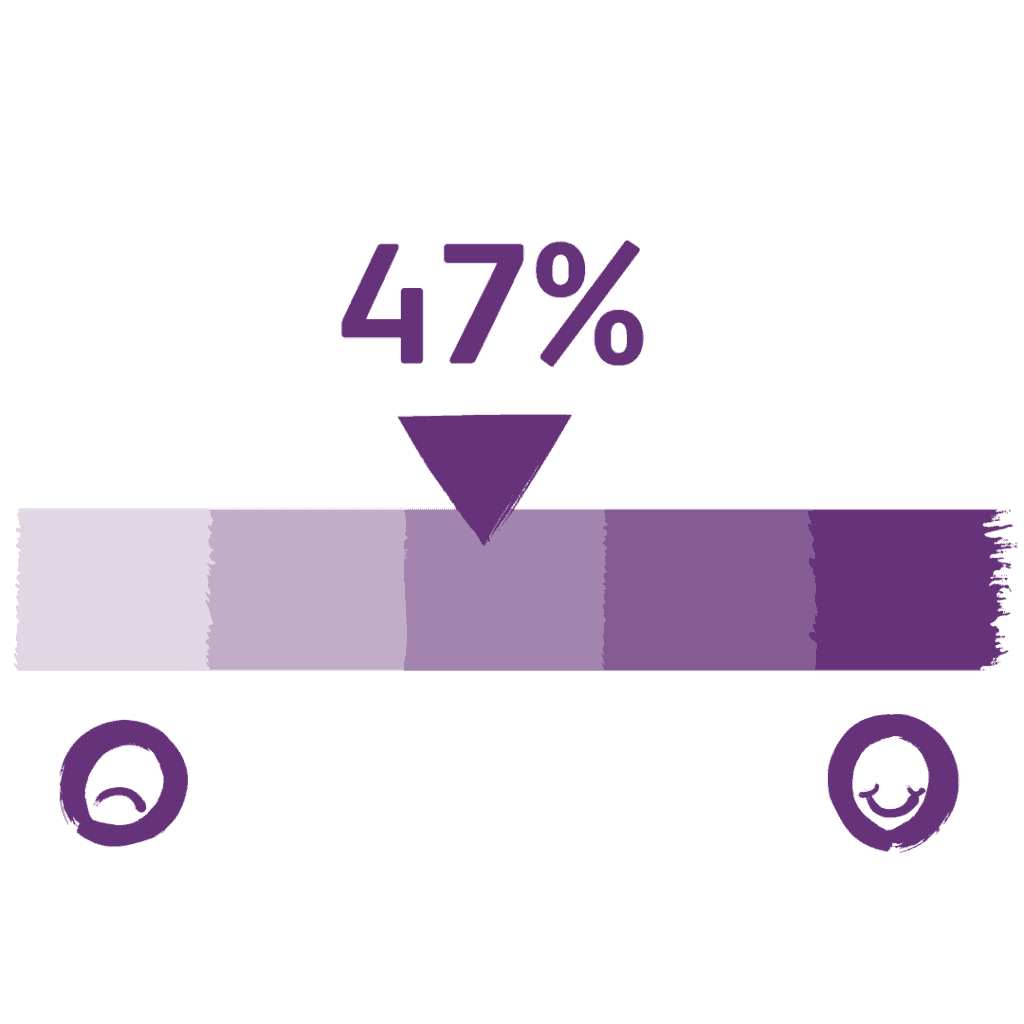
Nearly half (47%) of disabled people with complex needs aged 18 to 24 did not feel confident navigating their life change or transition.
“It’s such a minefield. You just get your head around it [childhood], and then they move to adulthood. He’s had a mental capacity assessment, which deemed he didn’t have mental capacity.
So it’s sort of like where you go from there? There’s so much more you’ve got to consider because it’s the real-world, isn’t it? Jobs, where he’s going to live, what’s the best thing for him?”
Lauren, Kai’s mum
In conclusion
Disabled people with complex needs face real challenges – from isolation and system barriers to gaps in care, but their experiences also show what matters most: connection, independence, and everyday moments of joy. Listening to their voices is essential to building a fairer, more inclusive society where everyone can thrive.
*Loneliness figure by Office for National Statistics, Public opinions and social trends, Great Britain: personal well-being and loneliness by personal characteristics, 2 July to 28 September 2025.
*Cost of living figure by Office for National Statistics, Public opinions and social trends, Great Britain: household finances by personal characteristics, 2 July to 28 September 2025.
Meet the disabled voices
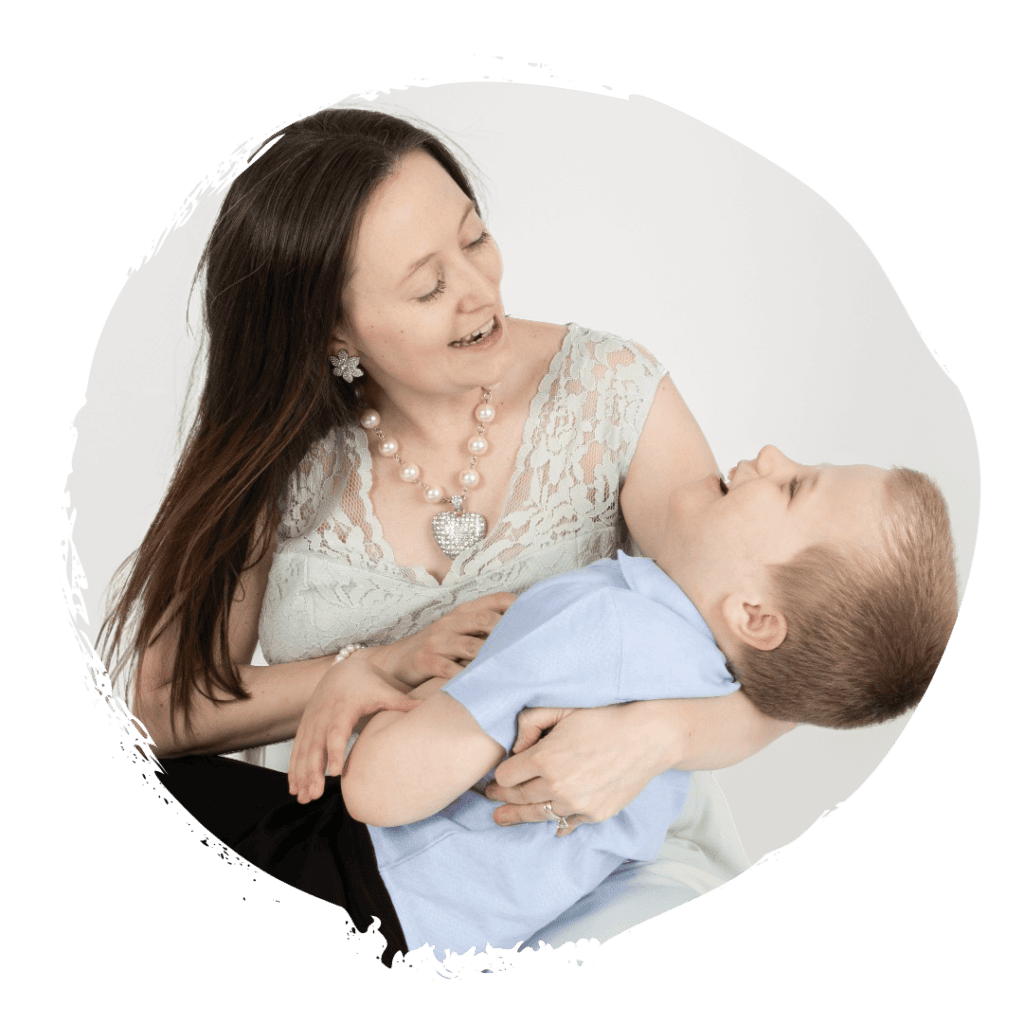
Kyllian, child
A strong-willed but sensitive young boy who recently transitioned from nursery to a specialist school. He is joyful in his routines and can be overwhelmed by change. His mother, Becky, is his full-time carer.
Kyllian is autistic, has a severe visual impairment, and complex physical and developmental needs.
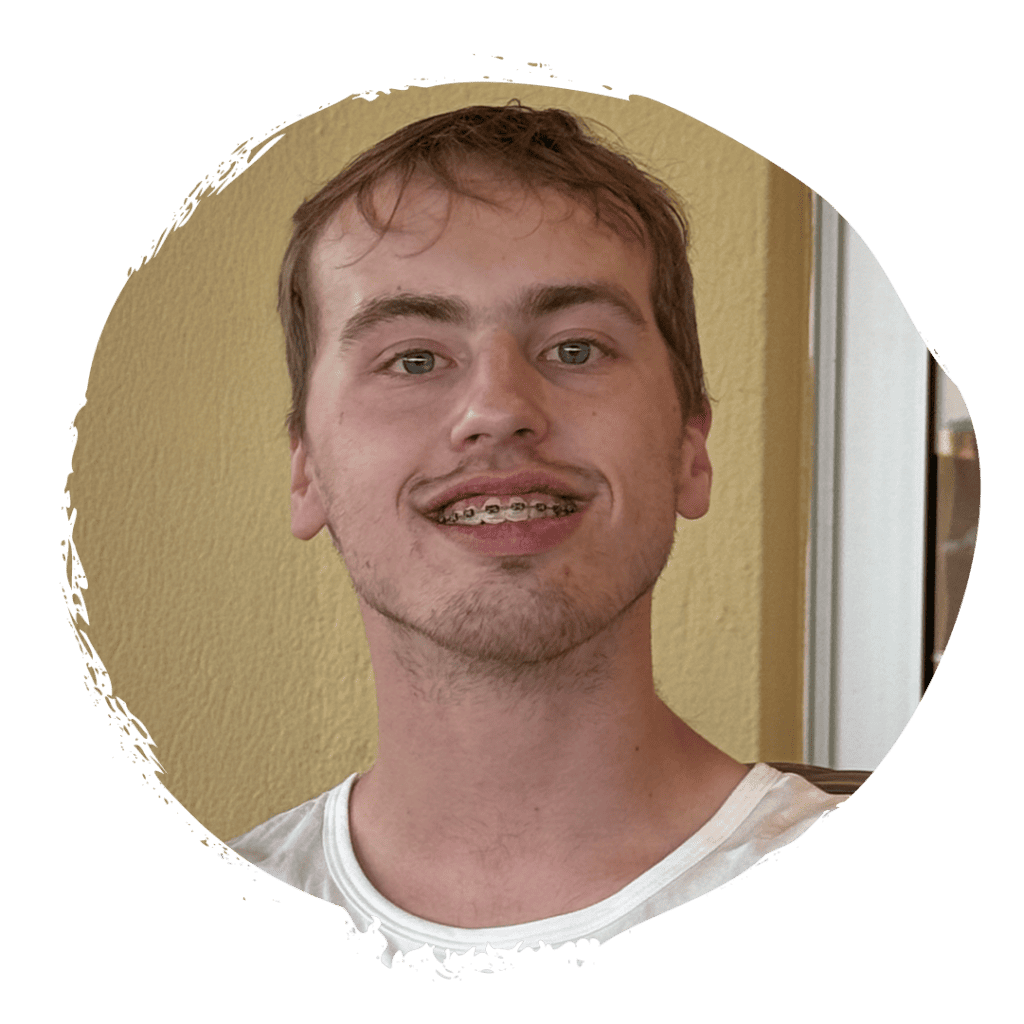
Kai, late teens
An energetic and curious teenager who loves routine and is passionate about the things that interest him. He’s thriving now that he’s at Sense College, but his mother, Lauren, has found that there’s an expectation on parents to find support.
Kai is autistic, he has learning disabilities, and speech and language challenges.
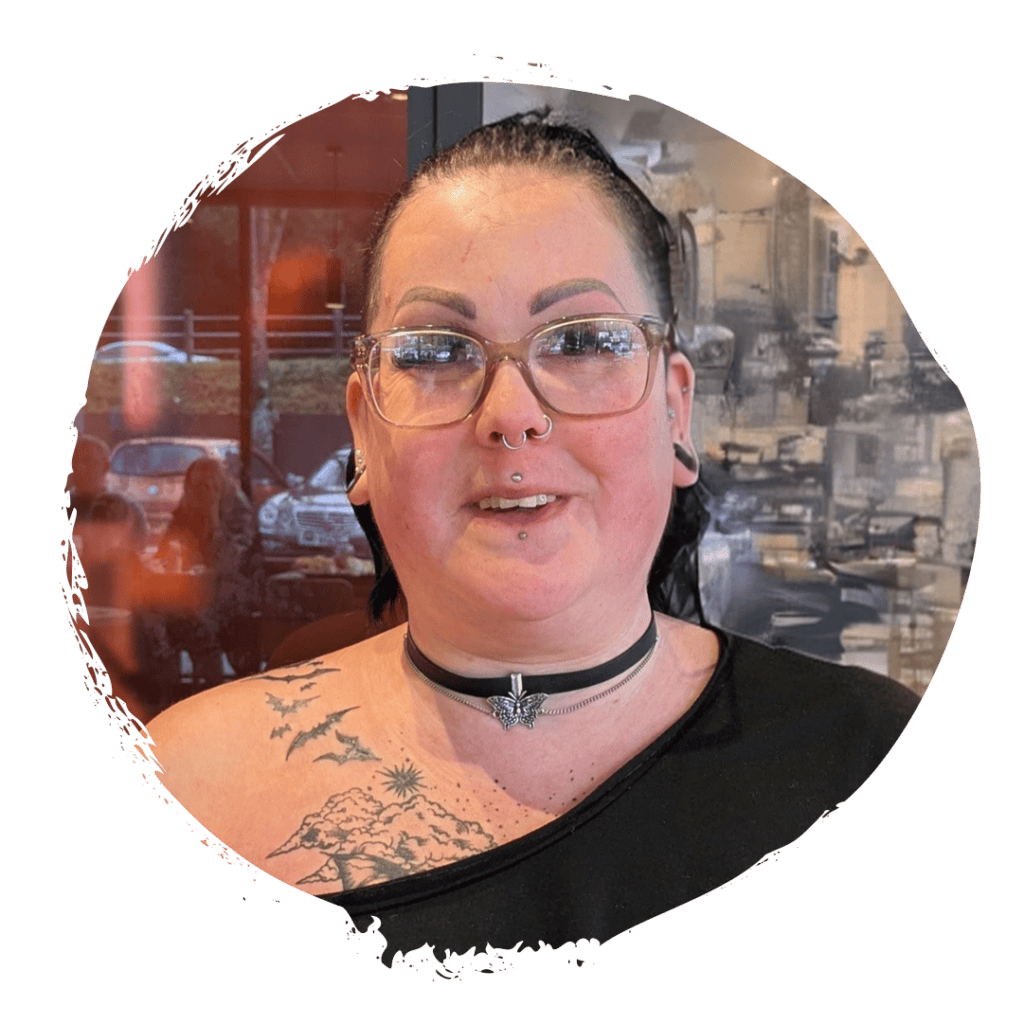
Samantha, late 30s
A thoughtful and creative woman who finds joy in caring for her cats and sharing quiet time with her husband. She’s worked hard to build a sense of stability and now hopes to grow her confidence and deepen friendships.
Samantha is autistic, has a genetic condition, a sensory impairment, and learning disabilities.
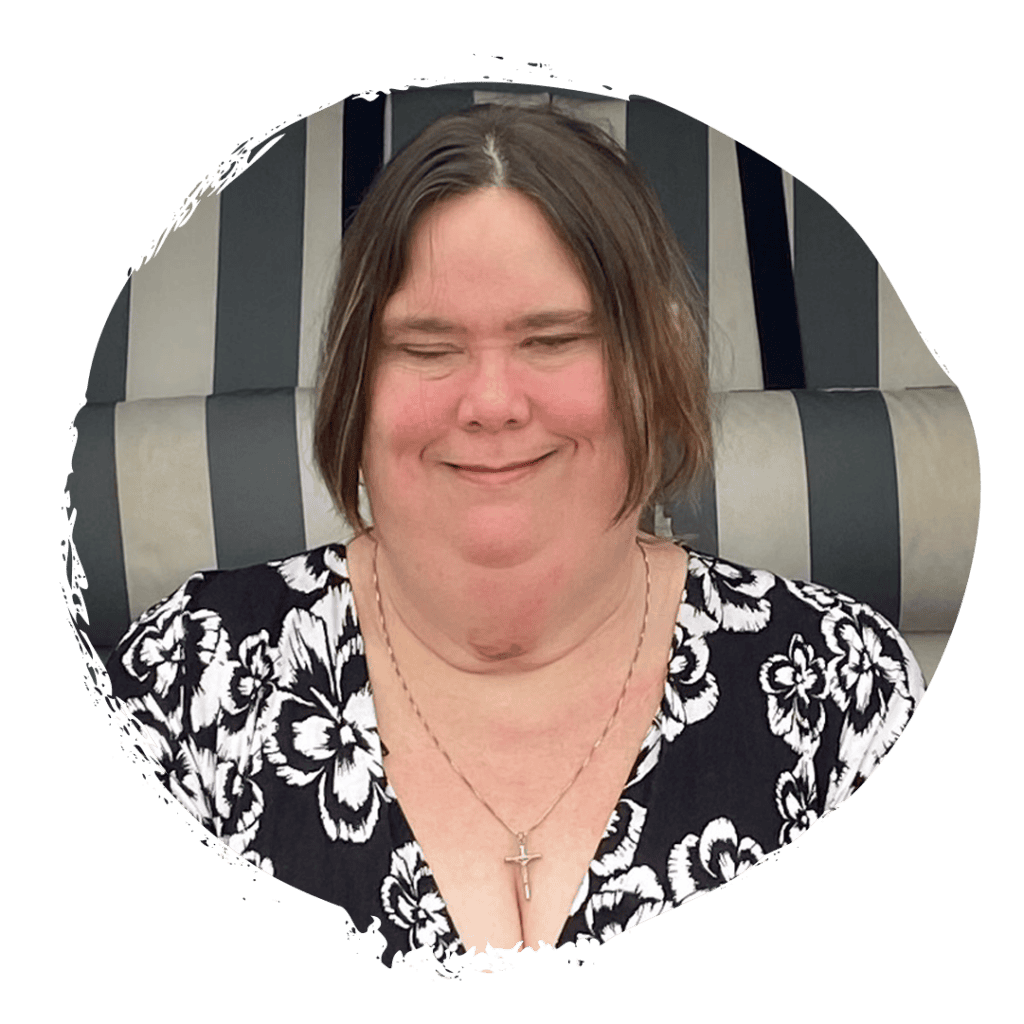
Janice, mid 50s
Paralympic Silver medallist and trained Sit and Stay Fit exercise teacher, Janice, balances voluntary and paid work with a strong sense of purpose. She’s passionate about her faith, swimming, and making society more inclusive – especially for deafblind people.
Janice is deafblind (due to Stickler Syndrome), and she also has joint and mobility issues.
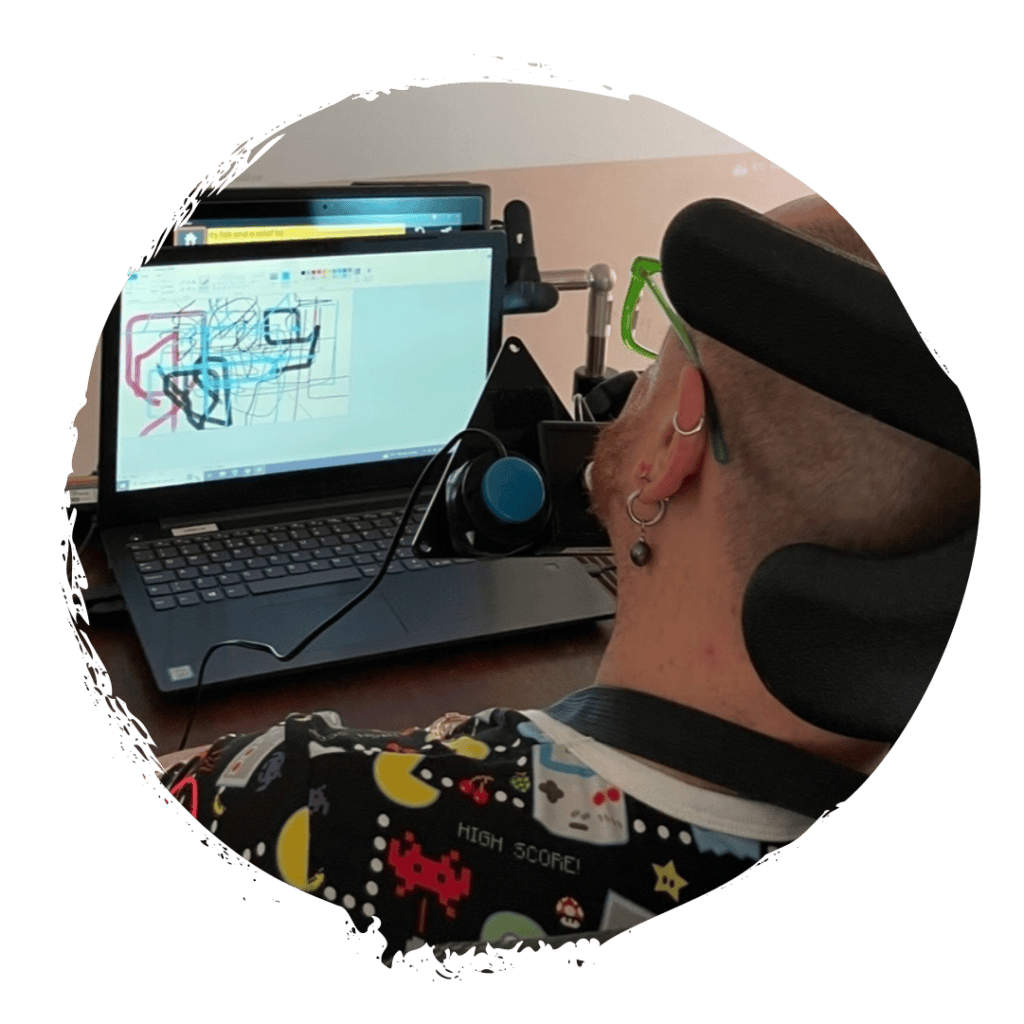
Outsiderartist72, early 60s
A creative and deeply reflective man who lives by the sea with his wife and their elderly pug. A passionate artist and music-lover, he uses advanced assistive technology to make and share his work. His artist name is outsiderartist72.
Outsiderartist72 is autistic and deafblind, and he lives with complex physical and sensory disability.
Support from Sense
Sense is here to support disabled people with complex needs to feel connected and included. From the first weeks of life and through the major milestones of adulthood, we want to ensure disabled people and their families are supported to live fully at every stage of life. If you need more information and advice about the services we provide, you can find out more here.