
Supporting Paul through every stage of life
This year we’re marking 70 life-changing years of supporting disabled people to connect with others and be included in the world.
Sense began with two mothers, Peggy Freeman and Margaret Brock, whose children were born deafblind after they contracted rubella during pregnancy. At the time, there was no support, so the pair took matters into their own hands, sparking a remarkable journey which led them to the founding of Sense. Throughout this journey and beyond, one thing continued to inspire them: the limitless potential of their children, despite the challenges they faced.
Seventy years on, the values that they embodied continue to resonate for parents like Christine, just as they did in 1955. Today, as we embark on our 70th anniversary year, Christine reflects on the support that her son, Paul, has received from Sense from the first years of his life through to the major milestones of adulthood. life-changing years of supporting disabled people to connect with others and be included in the world.
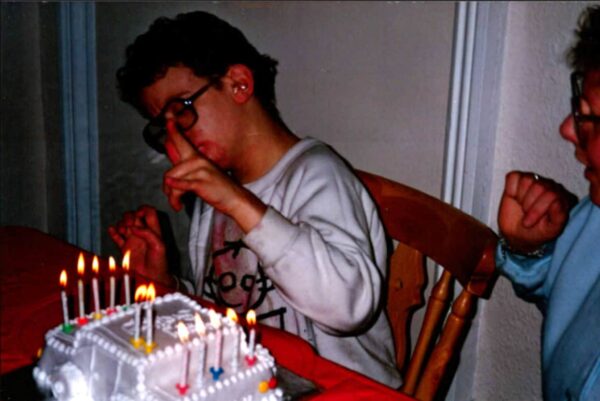
When Paul was born at home in Southend-on-Sea, he didn’t look well and was rushed to hospital. We couldn’t see him for 48 hours. During this time, we decided on his name, Paul, after Paul McCartney. When we were allowed to go to the hospital, we were told he had Congenital Rubella Syndrome.
Paul was profoundly deaf from birth and over time he lost his vision. Learning how to communicate with him was challenging. He also had poor health throughout his childhood. He had open-heart surgery at three months old, then he was just discharged. I took home a child that couldn’t see me, couldn’t hear me, couldn’t feed. There was no support.
When Paul was three, I saw a newspaper article about Norman Brown, another parent of a child with deafblindness. He worked for Sense, and we got in touch with him. Through him, we started attending a group with other families like ours in Ealing. In the early days I would take Paul to the park; other mothers would pick up their children and run because he had hearing aids. That’s what we faced back then, so meeting other parents was brilliant. Once a year we’d have a weekend away together, and my husband could speak to other fathers about their children. We’d talk about anything and everything – they understood like no one else did.
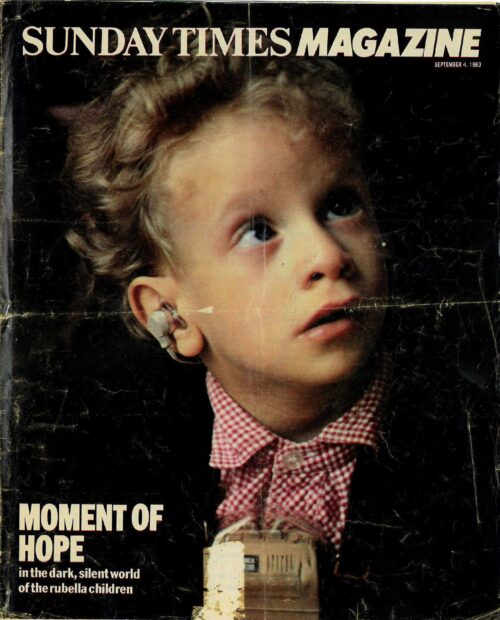
In 1983, Paul and his brother Mark were featured in the Sunday Times magazine highlighting Sense’s work. Paul was the cover star! The photos were also used to fundraise for the specialist school in Walthamstow that Paul attended. He boarded with seven other students with deafblindness, and the teachers were all trained by Sense to provide the children with the expert support they needed.
In 1998, while Paul was still at school, the UK introduced the MMR vaccine. I campaigned with Sense to highlight its importance, and to raise awareness of Congenital Rubella Syndrome and its impact on families like ours. I’d visit schools, hospitals and groups, talking to parents about getting their children vaccinated.
Sense has been there for all stages of Paul’s development…They’ve been a huge part of our lives. I couldn’t be more grateful.
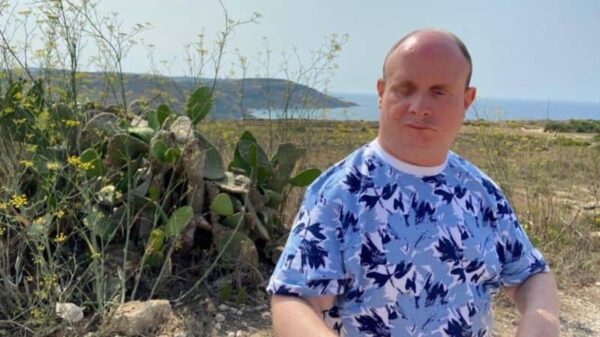
When Paul left school, he had limited options, but Sense helped him remain independent and he moved to Birmingham to live at his first Sense residential service. When he was 21, he moved back to Walthamstow and has lived in the same house ever since with the continued support of Sense. I live in Essex now, but Sense staff travel with Paul every month so that we can have a meal together.
Sense has been there for all stages of Paul’s development. He’s been on holiday with them, they’ve educated him, they’ve kept him alive. They’ve been a huge part of our lives. I couldn’t be more grateful.
Find out more about our impact
Read more stories from disabled people with complex needs and their families who access our services.