
Disability benefits cuts: “We’re not statistics. We’re people. And these are our lives.”
Sandra Barbos Rosado is a mother of two living in South Yorkshire, caring full-time for her children while managing her own long-term health condition. Her daily life is shaped by responsibilities that many families never have to think about: supporting a disabled child with complex needs, navigating a system of care, and adapting to a future filled with uncertainty.
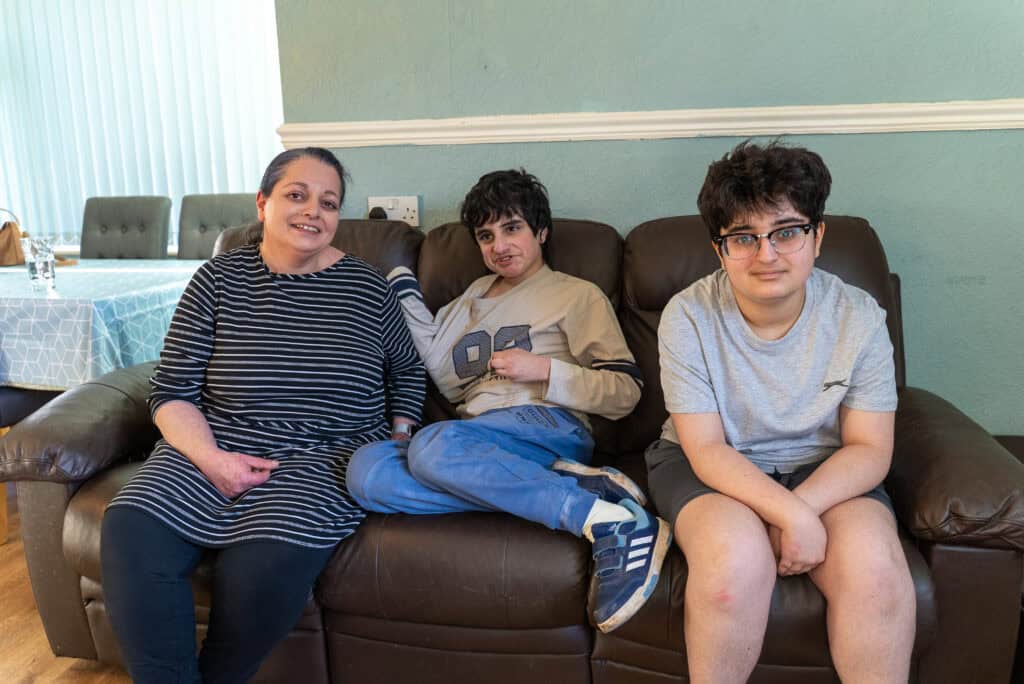
Her son, Ayman, is 14 and requires constant supervision and support; he will likely never live independently. Her daughter, Caroline, 16, is autistic and working hard at college while managing anxiety. Sandra herself lives with multiple sclerosis, which gradually forced her to leave work and shift into a full-time caring role at home.
As welfare reforms are being debated, including potential cuts to support for disabled young people, Sandra is focused on what these decisions mean for her family, now and in the future.
This is her experience, in her own words.
I never imagined I’d be here – writing about survival, about stretching every pound, about relying on a system I once barely thought about.
A lot of people who depend on welfare don’t want to. I’m one of them. But sometimes life deals you a hand you can’t change, no matter how hard you try.
My name is Sandra. I’ve got two children, one is 16, and the other is 14.
Everything I do revolves around them. My daughter is doing well at college, and I hope she’ll be able to live independently one day. But my son, Ayman, needs me for everything.
What daily life really looks like
Besides his autism, he has sensory processing disorder. He doesn’t use the toilet, so I have to buy pull-ups. He goes through two or three changes of clothes every day. And they can’t just be any clothes; they have to be specific. Joggers, tops, everything has to be soft cotton, no stitching, nothing that might rub his skin.
All these things add up. And because they’re so specific, they cost more money.
Then there are the bills. The electricity is always high because of how much washing we have to do and the equipment in the house. The heating has to stay on because he can’t regulate his temperature. And there’s always something that needs replacing.
Why “just get a job” isn’t reality
The Government keeps going on about getting disabled people into work. And I just think it’s really unfair sometimes.
If I think about Ayman, he doesn’t even know what a job is. How can you send someone like him to work?
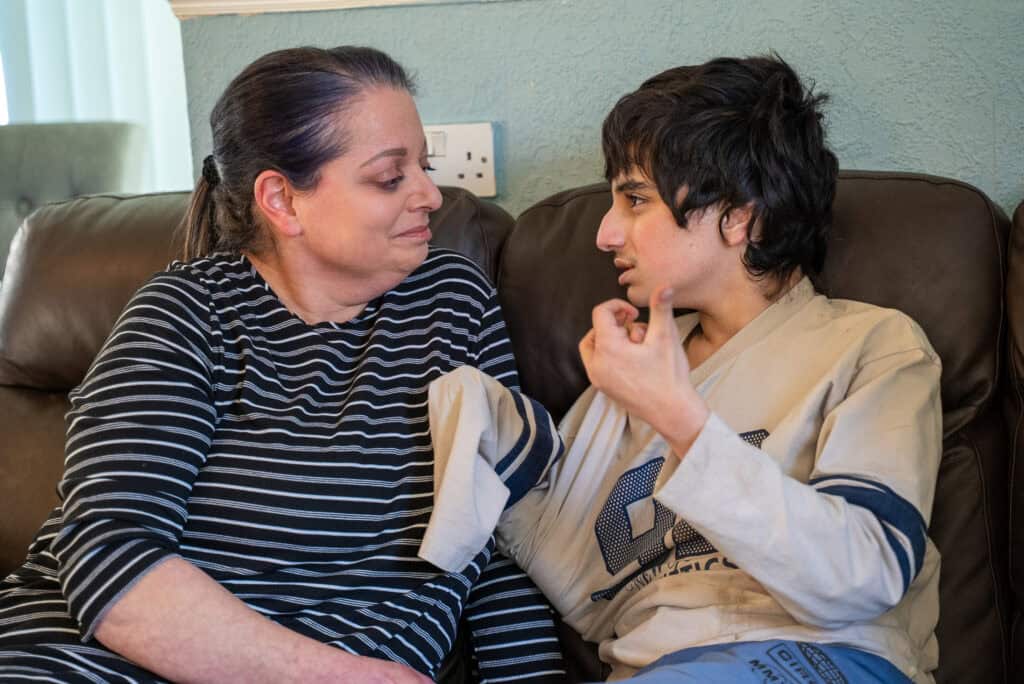
From working life to full-time care
I used to work. I had a full career before I got ill. Then I was diagnosed with multiple sclerosis, and everything changed. I tried to keep going, I really did. But the fatigue, the mobility problems – it became impossible. Now I need two sticks just to walk outside.
So I rely on benefits. Not because I want to, but because I have to.
And even with that, we’re only just managing. There’s always something that needs paying, something unexpected that comes up.
That’s why when I hear about cuts – about taking away support from young people like Ayman – it scares me.
It might not sound like a lot to some people, £50 a week [she is referring to the cuts to Universal Credit for new claimants with health conditions]. But to us, it makes a real difference in how we live day to day.
Who pays the price for cuts?
I’m worried for my son because he’s never going to be able to work. He doesn’t understand what work is. He will always need support, and when I’m gone, he’s going to rely on the system that’s supposed to protect people like him.
They say cut, cut, cut – what happens then? It’s families like mine that pay the price.
What are they going to do, just leave him with nothing? Lock him away somewhere where he doesn’t go out, doesn’t do anything?
We’re not statistics. We’re not numbers or percentages on a budget.
We’re people. And these are our lives.
What you can do
Sense is deeply concerned about the changes to welfare the Government might introduce. But if we work together, then we can help make sure reforms make disabled people’s lives better.
If you agree with Sense, you can show your support by signing our petition.
Help to stop the cuts
Sign our petition to join us in saying no to cuts to disability benefits.