
Sexuality, identity and relationships
Everybody has the right to love and be loved, and to explore and express their unique identity. Everybody also has the right to healthy relationships, and to being protected from exploitation and abuse.
In this guide, find out more about sexuality, identity and relationships for disabled people with complex needs.
On this page:
Exploring your identity and sexuality
Everybody has the right to decide upon and express their own identity. This includes their gender identity and sexuality.
What is identity?
Your identity is who you feel yourself to be and how you want people to see you.
It can change as you go through life, and the things going on around you in the world may affect how your identity changes.
You might express your identity through the way you look, dress, communicate or in other ways.
What is gender identity?
Gender identity is how you feel about your gender. You might identify as “male”, “female”, or another identity like “non-binary”.
You might express your gender identity through the way you look, such as hairstyles, or the things you say and do.
Some people feel that their gender is the same as the sex they were given when they were born (usually “boy” or “girl”). These people are cisgender.
For other people, their gender identity might be different to what they were assigned at birth. These people might be transgender.
For example, if you were given the sex “male” when you were born, but your gender identity is female, you might identify as a transgender woman.
Some people don’t identify totally as “male” or “female”, or are unsure. These people might describe themselves as “non-binary”, “genderfluid”, or something else.
Everybody has the right to explore and express their own gender identity however they would like to.
You might explore your gender identity by experimenting with how you look, talk or dress.
You might want to try asking people to call you by a different name or pronouns (for example, “they” instead of “she”).
What is sexuality?
Your sexuality is how you express yourself and experience life sexually.
Sexuality is a natural part of being human.
It includes sexual activity and sexual orientation. It also includes pleasure, body image, desires, thoughts, feelings and fantasies.
Sexuality can mean different things to different groups of people.
What is sexual orientation?
Your sexual orientation is about your feelings about who you’re attracted to.
You might be straight, which means that you are attracted to people of the opposite gender to you. Or you might be gay, which means you are attracted to people of the same gender as you.
You might be bisexual, which means you are attracted to people of more than one gender.
Some people are asexual, which means they don’t experience sexual feelings towards anyone, but can still be romantically attracted to people.
There are many different ways you can identify, and it is completely up to you.
You have a right to explore and express your own sexuality and sexual orientation.
Being LGBTQ+
If you feel like you’re not cisgender and/or straight, you might choose to identify as part of the LGBTQ+ (lesbian, gay, bisexual, transgender, queer and more) community.
You might want to explore your identity by going to LGBTQ+ events, social groups or support groups.
You could speak to a friend, family member or support worker about your feelings. No one should judge you or make you feel bad about your identity.
Telling people that you’re LGBTQ+ is known as “coming out”. It’s up to you how and when you come out.
If you have complex needs and you need support exploring your identity, there are lots of resources out there. Your support workers or carers can help you. This guide from Supported Loving might be helpful.
Find out more about your rights as a disabled person.
Healthy relationships
Friendship
Everyone has the right to make, build and keep friendships – and to end them when they want to. This includes disabled people with complex needs.
What is friendship?
Friendship is a relationship based on trust, respect, liking the same things, making each other laugh, spending time together and supporting each other.
Friendships have their ups and downs. You might fall out with your friends sometimes. But friends don’t hurt each other or treat each other badly.
Making friends
Everybody has a right to take part in community life, and to make friends. That includes disabled people with complex needs.
If you have complex needs, you may need extra support to empower you to have an active social life, and opportunities to develop and keep friendships.
This might mean supporting you to attend clubs or activities in your area, joining social groups either locally or online or going to events.
Attending events with people with similar interests to you is a good way to meet like-minded people that you might get on with and choose to be friends with.
Your support workers or carers can help you to keep in touch with friends and spend time together.
Sometimes a good friendship could grow into a romantic relationship.
Romantic relationships
Everyone has a right to build romantic relationships and to end them when they want to. This includes disabled people with complex needs.
Meeting people and dating
Meeting people who you like romantically, and who like you back, can be difficult for anyone. It might take some time to meet someone special. Disabled people with complex needs might need more support with opportunities to meet new people.
Many people go to social clubs, groups or activities they enjoy to meet new people.
Some use apps and social media to meet new people. It’s important to be aware of the risks involved in meeting people online. Your support workers or carers could help you with this.
When you meet someone and you are both attracted to each other, you might choose to start a romantic relationship.
In a romantic relationship you might say you are ‘dating’ or call each other ‘boyfriend’ or ‘girlfriend’. When you are together you might kiss and cuddle, hold hands and touch each other more. This is different to being just good friends.
Sometimes you might both decide that you also want your relationship to become a sexual relationship.
Sexual relationships
Everyone has the right to have sex or do sexual things with someone else – as long as it’s consensual and no one is being hurt. Consensual means that both people are agreeing to what’s happening.
What is consent?
“Consent” is giving permission for something to happen or be done to you. Consent is very important for healthy relationships.
In the context of sex, “consent” means agreeing to have sex.
It’s important that all sex is consensual and that you don’t feel pressured or forced into doing something you don’t want to do, and you don’t pressure or force the other person. Everyone is always allowed to say “no” to sexual activity.
No one can give consent if they aren’t capable of knowing or understanding what’s happening, for example, if they’re very drunk or asleep.
The law says that everybody over the age of 16 has the right to make their own decisions consenting to sex.
But you can only give consent to sex if you have the mental capacity to do so. This means that you fully understand what having sex means.
You need to be able to understand what might happen because you have had sex (such as getting pregnant or an infection), and how to have safe sex. You also need to understand that you can say yes or no to sex at any time, or change your mind, and that the other person must give consent before and during sex.
If someone over 16 does not have the mental capacity to consent to sex because they do not understand all the important information, then they have a right to support to help them learn about sex and consent so that they may gain mental capacity. Sense can support people with this.
Find out more about mental capacity and making decisions about your life.
Emma and Ben’s story
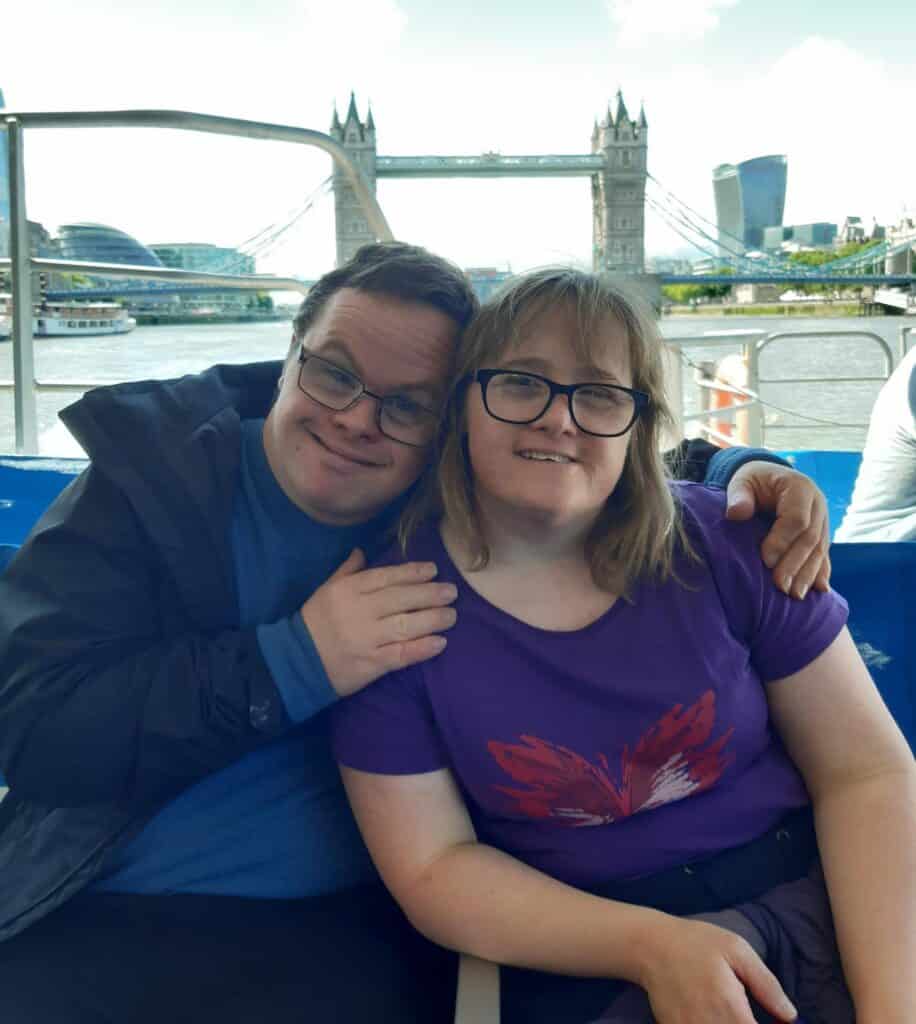
Emma and Ben live together at Otterhayes, a Sense Supported Living service. They’re both in their early forties and have Down Syndrome. Like any other couple, they’re working out how to deal with life’s ups and downs together.
Ben: “It was in 2019 that we were able to get our own flat together. We had relationship support from staff. We both wanted to learn more about how to live together, to be there for each other and to go out on dates. Sense have helped us find the right balance.”
Emma: “There’s lots me and Ben would like to do, and Sense is helping us make more plans for the year. Our relationship is getting better all the time.”
Ending relationships
Sometimes relationships have to end. This includes friendships and romantic relationships.
There can be a lot of different reasons for this. Your friend or partner might not want to be in a relationship any more, or you might choose not to be with them, or you might both agree to end the relationship. Sometimes a relationship ends because the other person moves away, or sadly dies.
Disabled people with complex needs have the right to experience all of the ups and downs of relationships like anyone else. That includes break-ups and loss.
Break-ups and endings can hurt your feelings and you might feel sad and upset. It can help to let someone know about your feelings, and get support.
Read our advice about taking care of your mental health.
What to do if you’re worried about someone’s safety
If you think someone with complex needs might be in an unhealthy relationship, or at risk of abuse, it’s important to say something. This is called safeguarding.
Abuse is when someone hurts someone else or treats them badly over a period of time.
Find out more about what to do if you think someone with complex needs is being abused.
Your rights as a disabled person
Every person has the right to privacy, respect and freedom of expression when it comes to their relationships and identity.
Sense fully supports the charter of rights put together by the human rights campaigning organisation Supported Loving.
The charter was written with and for people with autism and/or learning disabilities.
It states that everyone has the following rights:
- I have the right to make my decisions.
- I have the same rights to a relationship as anyone else.
- I have the right to be taken seriously.
- I have the right to privacy within my home with a partner.
- I have the right to sexuality and relationships support that I can understand.
- I can choose the contraception that is right for me.
- I have the right to express my gender and sexuality.
Sense believes that everyone we support, and everyone with disabilities, has these rights.
See an easy read PDF version of the charter of rights.
Sense also believes that the people we support have further rights. These include:
- The right to make, build, and keep friendships and personal relationships.
- The right to maintain family relationships.
- The right to marry, enter into a civil partnership, or co-habit; and to receive support with your partnership, if needed.
- The right to choose to have sex, or to engage in sexual activity, including masturbation, as long as it is legal and consensual. This applies whether or not you are in a relationship.
- The right to choose not to have sex, or engage in sexual activity, whether or not you are in a relationship.
Read more about how Sense supports disabled people with complex needs to build relationships.
The legal context
Your rights are determined by the law in the United Kingdom.
The Human Rights Act 1998
This bill sets out the fundamental rights that all people who live in the UK are entitled to.
These include:
- Respect for your private and family life, which includes the right to consenting sexual expression in private.
- Freedom of expression, and the right to knowledge, so you can make informed choices and decisions.
- The right for adults to marry or enter into a civil partnership, and/or to start a family.
Human rights are universal and apply to everyone, no matter your ability/disability, race, gender or any other characteristic.
The UN Convention on the Rights of People with Disabilities (CRPD)
The CRPD was signed by the UK in 2007, and became law in 2009.
Countries who have signed the agreement must make sure that disabled people have the same rights as everyone else.
It includes a commitment “to promote, protect and ensure the full and equal enjoyment of all human rights and fundamental freedoms by all persons with disabilities, and to promote respect for their inherent dignity”.
Equality Act 2010
This legislation protects people in the UK from being treated unfairly or discriminated against.
It makes it illegal for anyone to discriminate against you or harm you because of your disability, race, age, gender or any other protected characteristic.
Find out more about discrimination and the Equality Act.
Get support from Sense
If you or someone you care for has complex needs, we’re here to help.
This content was last reviewed in July 2024. We’ll review it again in 2026.