
How to support an autistic child
Parenting is a journey filled with love, learning, and challenges. When your child is on the autism spectrum, that journey can come with unique struggles that often go unseen. In this blog, we acknowledge those experiences, offer support, and remind parents that they’re not alone.
As part of Autism Awareness Month this April, we’d like to celebrate all the amazing autistic children and young people who attend our sessions at Sense.
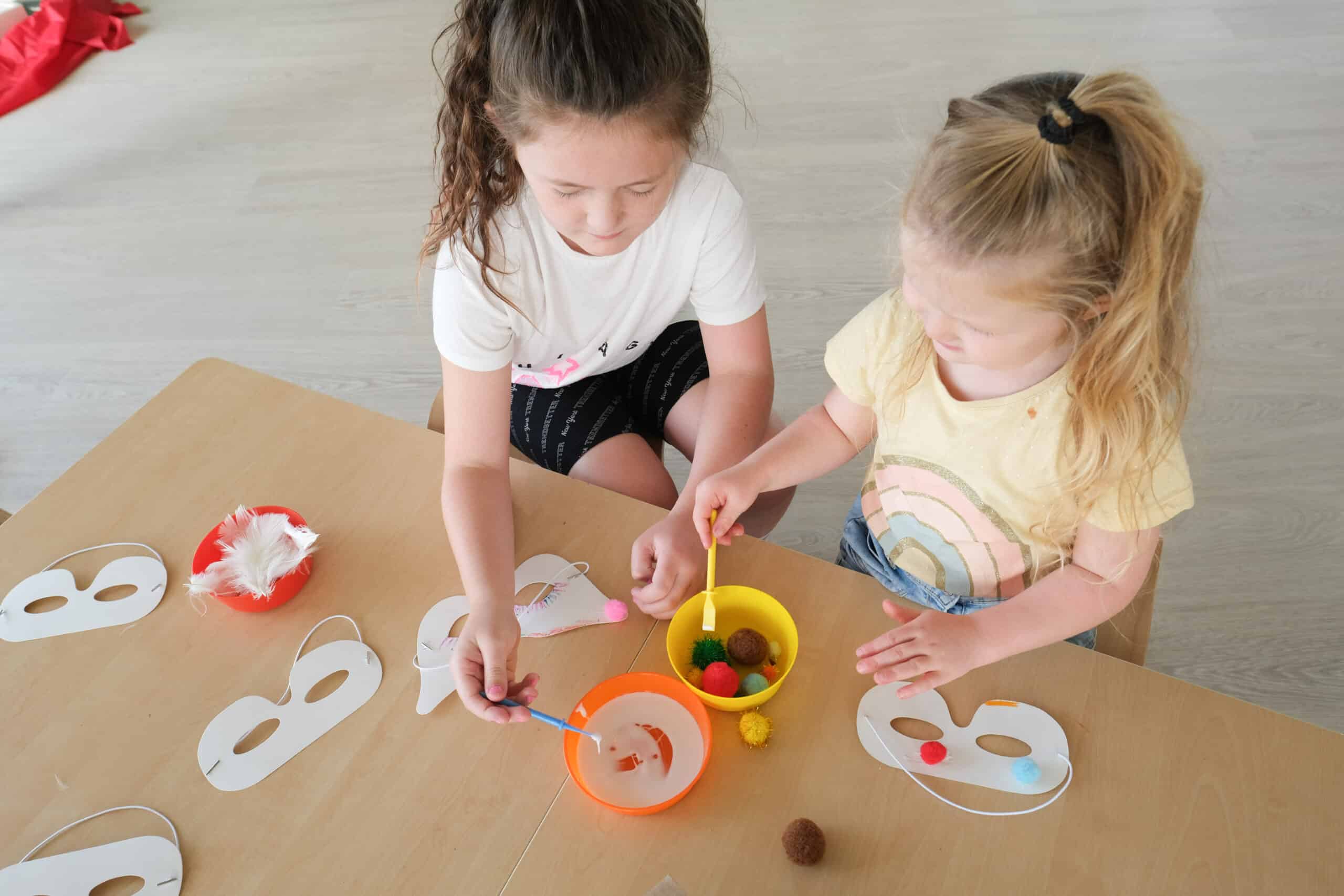
Our free play sessions are designed to help disabled children up to 8 years old and their families communicate, develop and connect through a range of play-based activities.
Here’s what some of our families say:
“The staff are amazing – always welcoming, patient, and thoughtful. They create such a positive and inclusive atmosphere, ensuring every child feels safe and engaged.”
“It’s lovely to talk to them and meet other parents with children of similar needs. I don’t feel looked at or judged when my child plays with something in their own way.”
“The atmosphere at these sessions is truly wonderful – welcoming, inclusive, and engaging. The staff are always warm, attentive, and professional, ensuring every child feels supported and valued.”
Want to find out how we can help your child?
Visit our early intervention page, where you’ll find information about our free play sessions.
Now, let’s explore some strategies that you can use as the parent of an autistic child, so you feel confident in your ability to support them through each stage of their development.
-

Understand them as a whole

Although being autistic makes up a huge part of who a person is, autism does not have to define that individual. Their needs are unique to them, but so are their interests and strengths!
Always make sure you take time to understand the child as a whole, including their likes, dislikes, strengths and abilities.
-
Find the right communication style


Too much information can be difficult for autistic children to process. Try to use the child’s name at the beginning of the sentence so they know you are speaking to them e.g. ‘Grace breakfast?’.
It can take much longer for autistic children to process what you’ve asked them so allow them some time to think and respond to you.
Try using alternative communication methods such as visual prompts, Makaton, or picture communication cards to support verbal communication.
Why not try one of our Makaton sessions to get started? Contact us to find out more.
-
Reduce stress around change

Coping with change can be a challenging part of being autistic. Autistic children often enjoy having a routine, as it can help them predict what will happen next; however, change is inevitable.
Try using visual prompts, such as a ‘now and next’ board. Using picture cards or symbols allows visual reinforcement and can prepare them for the upcoming transition, e.g. now ‘dinner’, next ‘bath time’.
It’s best to include your child in choosing and changing the pictures on their ‘now and next’ board to help them feel more in control of upcoming changes.
To print your ‘now and next’ board, click here. You can find daily routine picture cards here.
-
Identify their triggers

Many autistic children may have things in place that make the world around them more comfortable. For example, some autistic children may prefer to wear ear defenders if they are sensitive to noisy environments.
Always consider how you can adapt environments and situations to meet a child’s needs and eliminate sensory stimuli that may cause them distress.
Don’t be afraid to ask the child (if appropriate) about any adjustments that may help them.
-
Engage them in sensory play


Autistic children often enjoy sensory play as it allows them to experience through a range of senses. It might involve getting stuck into different textures, by playing with things like cold cooked pasta, water, ice or edible slime!
Along with sensory skills, sensory play develops language, exploration, engagement and attention.
Why not try incorporating sensory play at home?
Finally, remember to be kind to yourself – you’re doing great!
We recognise the hard work that goes into raising an autistic child. If you’re feeling overwhelmed, our free play sessions are here to support you, too. They bring families together through shared experiences, helping to build support networks that offer much-needed encouragement and reassurance.
If you need support or advice about an autistic child, please contact us at [email protected].