
How to get an EHCP: Advice from a parent who’s been through it
Vanessa is mum to Charlotte, six, who has CHARGE syndrome, a rare genetic disorder. For Charlotte, this means that she is Deaf, visually impaired, and faces other challenges with her mobility and senses.
When Charlotte was three years old, Vanessa began the process of applying for an education, health and care plan (EHCP) to make sure that Charlotte was getting the educational support she needed to thrive. Getting an EHCP in place for your child can be a long road. Here, Vanessa shares a bit about how she did it, and her advice for other parents.
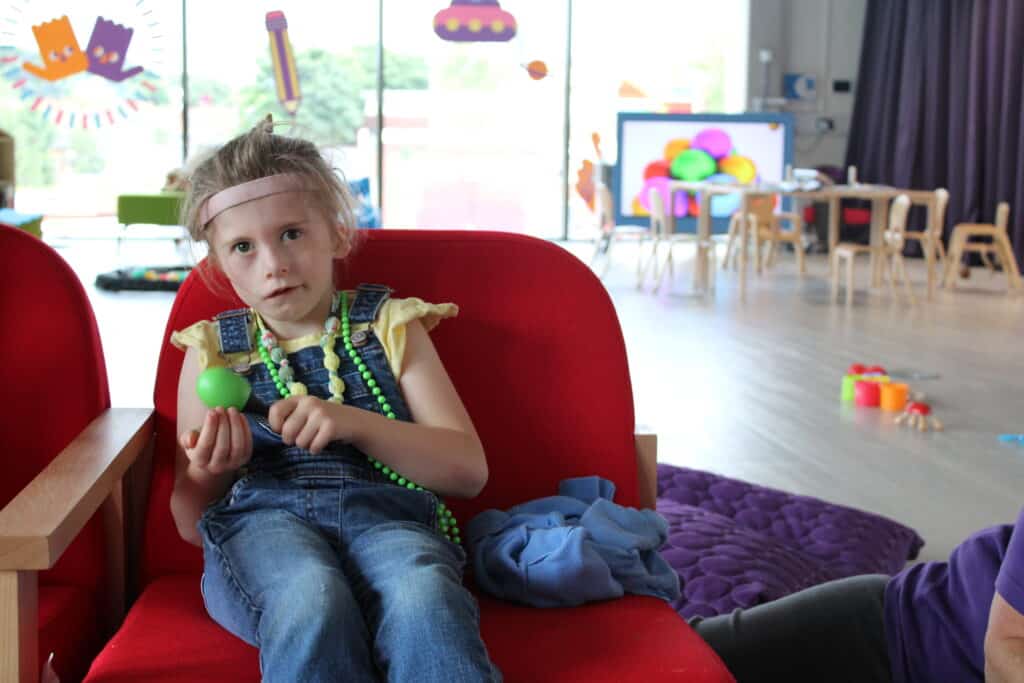
Education, health and care plans (EHCPs) set out your child’s needs and all the steps the local authority agrees to take to meet those needs. This will largely be delivered by the education provider (your child’s school, nursery or college) with some support from other professionals, like physiotherapists.
Ever since we got one in place for Charlotte, it’s like everyone involved in her care is super focussed on the needs set out in her EHCP and making sure those are met.
Getting an EHCP can be a really long process, but having it in place really changes everything. For us, it’s opened more doors to support.
You know your child best, so don’t be discouraged
When I first decided that I wanted to get an EHCP for Charlotte, some professionals and my local authority tried to discourage me from applying. They told me Charlotte didn’t need one.
“Having the EHCP has given me the confidence that these things are being done for Charlotte. I’m so glad I persevered and pursued the EHCP.”
It was after speaking to Sense that I felt empowered to write to my council to ask for an EHC needs assessment.
Sense explained to me that an EHCP has to be followed, by law. So for example, Charlotte’s EHCP might say that her teachers need to make sure her hearing aid is switched on and connected, so she can hear and understand her lessons.
Having it written down in her EHCP means that they legally must do this. Without an EHCP, we’re just hoping that this will happen.
Having the EHCP has given me the confidence that these things are being done for Charlotte. I’m so glad I persevered and pursued the EHCP.
Keep everything that is evidence of your child’s needs
For the first stage of the application, I provided a lot of evidence of Charlotte’s needs.
I’ve kept every medical letter since Charlotte was born. They take up a huge space in my filing cabinet.
I’ve also kept all the accident reports and alerts I get from her nursery and school. I put these into a spreadsheet to show how many times a week she has an accident at school.
I documented all the different tasks that need to be done to care for Charlotte, and how many hours these take, and what the consequences are if these things aren’t done. For example, when she was being fed by a PEG tube and battery-operated backpack, it was vital to make sure that her backpack was charged every day.
Then, I went about speaking to her different medical professionals, to gather evidence for how she’s impacted by each particular disability or need she has.
When you have a child with complex disabilities, it’s not a straightforward process. I had to make it really clear how she’s impacted by all these separate diagnoses and impairments colliding together. You can’t look at them individually or in silo.
We got approved for an EHCP on the first try, but I know many parents don’t. Having as much evidence as possible can help you get over that first hurdle.
There are also lots of organisations, like Sense, who can help advise you if you do get knocked back on that first try. Don’t give up!
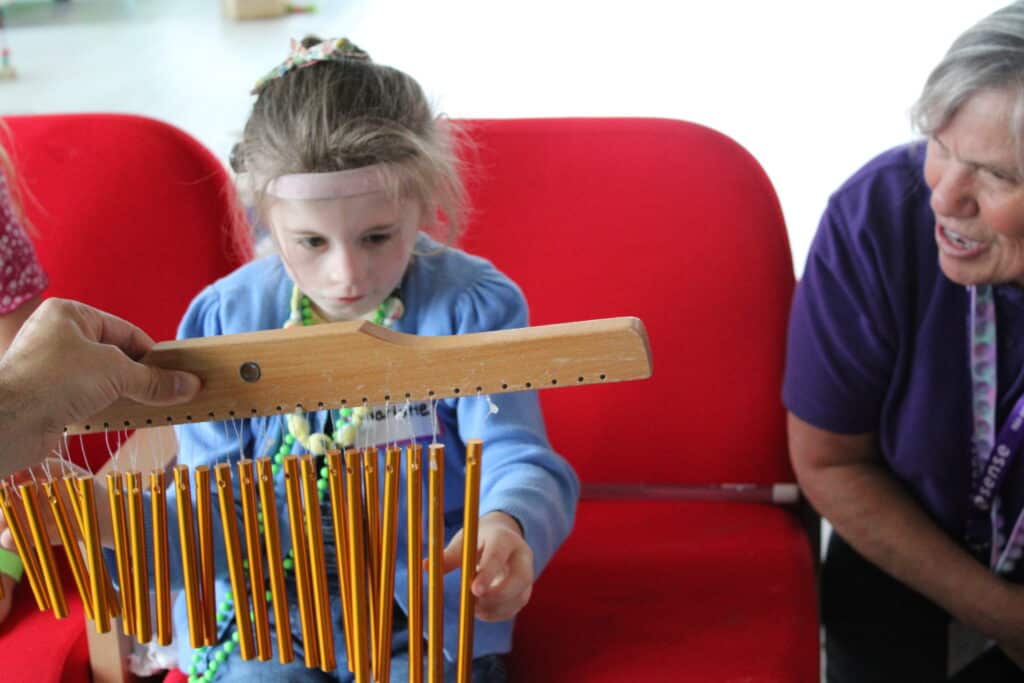
Work closely with everyone involved in your child’s care
You can’t do this process alone. You need support from the professionals around you.
To get Charlotte’s EHCP, I needed to work hand in glove with her nursery. They were really helpful, but not everyone has the same experience with their child’s education setting.
Thankfully, Charlotte’s nursery understood that an EHCP would be a really good thing for her.
“With any disabled child, you have to strike that balance between giving them the support they need to thrive, but not over-supporting them, so they have the opportunity to learn things themselves.”
Once the local authority agreed that Charlotte needed an EHCP, the next step in the process was agreeing her needs and outcomes. Everyone involved in Charlotte’s care fed into this, like her speech and language therapist, physiotherapist and occupational therapist.
Sense were really helpful, because they showed me what a good EHCP might look like for a child with Charlotte’s needs.
We also had a report from an educational psychologist, which was great. She made the powerful statement that we have to support Charlotte, but also give her freedom.
With any disabled child, you have to strike that balance between giving them the support they need to thrive, but not over-supporting them, so they have the opportunity to learn things themselves.
Think holistically about what support your child needs most
When we set Charlotte’s outcomes, something that was really important to me was making sure that she was supported to be socially included.
It’s not just about supporting her with her health, or her education, but also her friendships. If her speech isn’t at a level where her peers can understand her, she might get excluded from play. I wanted her EHCP to include support to develop friendships.
You’re only limited to five or six outcomes, so you have to be really thoughtful about what’s most important for your child.
Prepare to review the EHCP each year
The EHCP is an evolving document, as it should be reviewed every year. Any time your child gets a new diagnosis, you can also request a review. The SENCo at the school is responsible for leading these reviews.
You need to come to each review ready and armed with how you see the next year going, and how you want the school to help your child grow.
In between EHCP reviews, I keep documenting everything, and I keep talking with all of Charlotte’s health and care professionals. I want to go in prepared.
My advice would be to be very ambitious when you go into these reviews.
Campaign for SEND locally
“I’m doing all of this to use my experience to try and improve things for all disabled children. I want to work with my local council and politicians to drive improvements and fight institutional discrimination. Every child deserves to have the same opportunities to thrive.”
What’s been really helpful for me is getting to know my local councillor, and also who is in charge of SEND at my local council.
I’ve also contacted my local MP about championing SEND. And in the past I’ve even sat on the steering group for SEND children in Nottinghamshire.
I’m doing all of this to use my experience to try and improve things for all disabled children. I want to work with my local council and politicians to drive improvements and fight institutional discrimination. Every child deserves to have the same opportunities to thrive.
Connect with other parents for support
And finally, it’s been vital for me to find other parents of disabled children who I can talk to. I’ve learned more from the ladies in my WhatsApp group than you’ll ever find on a website.
As well as supporting each other with information and guidance, we’ve also worked together to advocate for things like a disabled parking bay at Charlotte’s school.
No one else gets it like they do. The emotional support they provide is invaluable, and so necessary when you’re going through something like applying for an EHCP.
Don’t go through the process alone
Read our guide to applying for an EHCP as a parent.