
6 top tips for creating an inclusive classroom for children with disabilities

Carly is a SEN tutor. She teaches young people who are deafblind and/or have complex needs at Sense TouchBase Pears in Birmingham.
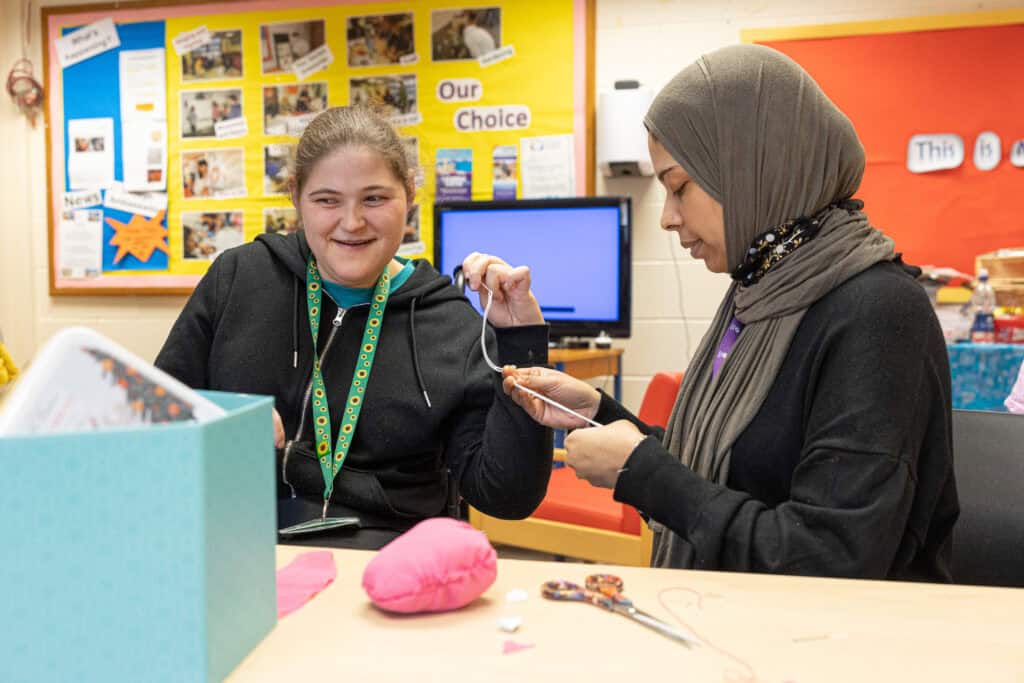
What I love about my job is that no two days are ever the same. Everybody has different needs, and learns in different ways, which keeps things interesting.
The Sense College I work in has a few different pathways for learners. Some students are focused on getting into employment, or learning practical life skills. Others are working towards educational qualifications.
From the outside, someone might look at what we do in the classroom and think it’s not learning – because it can look so different to mainstream education. But it’s just about thinking outside the box and doing things differently from the norm.
In this blog, I’m going to offer my six top tips for teachers who want to create a more inclusive classroom. But if you’re even reading this blog, I think you’re already doing the right thing – because you’re thinking about how to include people!
You might not get it right every time. I definitely don’t. But having these conversations, and thinking about inclusion, is the most important step.
1. Get on your students’ level
In my classroom, a lot of work takes place on the floor. It’s just practical – a lot of my students are wheelchair users, and it’s not necessarily a good thing to be in those chairs all the time. So they enjoy being able to move more freely.
On the floor, everyone’s even. That’s really important to me – I don’t want there to be a perceived hierarchy in my classroom.
It’s important to me that we don’t see anyone as being better or more intelligent than anyone else because they can do something like walk or talk. I’m always trying to find ways to level the playing field for everyone in the room.
I get down on the floor with my learners, because I think teachers shouldn’t stand over students. I’m not better than them.
2. Treat all communication as valid
We all have our individual ways of communicating things.
At Sense, that’s especially true: I work with people who use AAC, PECS, sign language and lots of other types of communication.
“There can be a lot of stigma around some ways of communicating, but I want my students to be given the confidence to keep trying to reach out and start conversations, however they’re able to.”
If one of our students asks me something using on-body signing, I’ll on-body sign back to them. I’ll honour how they’ve communicated to me.
It’s really important to show students that however they’re communicating is valid. There can be a lot of stigma around some ways of communicating, but I want my students to be given the confidence to keep trying to reach out and start conversations, however they’re able to.
Everyone deserves to feel respected and heard.
3. Prioritise routines – but also don’t be afraid of change
Routine is really important in my classroom, as a lot of my students can find disruption or change upsetting.
But our curriculum is about preparing young people for life, and life doesn’t always have a routine, so it’s also important to learn about change sometimes.
At Sense, we have a lot of students who are deafblind, so we use things like objects of reference and music cues to communicate routines.
When something is going to change, we try to give students as long as possible to get used to the idea. For example, if a new person is joining the class, we start telling them about the new person weeks in advance.
We often use social stories – short stories about social situations – to get students used to the idea of new scenarios.
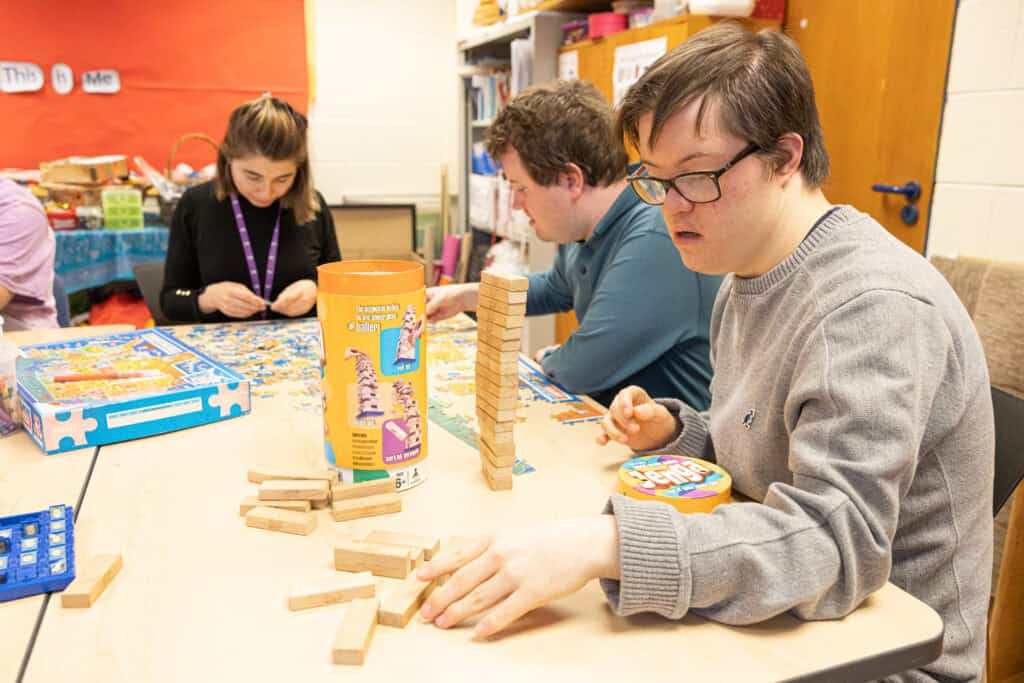
4. See all behaviour as communication
At Sense, we see challenging behaviour as a form of communication. It tells us that things aren’t going okay for that young person, and they’re struggling to cope.
So we respond by asking, how can we support them to cope?
Sometimes it’s about identifying and removing triggers. For example, we’ve realised that animals can be a trigger for challenging behaviour from our students, so we don’t plan any trips to the zoo!
When our students show challenging behaviour, that’s them in crisis. I would never want them to judge me when I was in crisis. So I do my best not to judge them.
5. Measure each person’s progress individually
We don’t do any standardised testing here at Sense, because it’s just not the best way to measure everyone’s progress.
Everyone is different, and we try to reflect that in how we assess students and celebrate their milestones.
Some students put together a portfolio of their work. Portfolios can be a really inclusive way of assessing progress.
For other students, just seeing them start to engage and respond more in the classroom is amazing progress. Everybody’s goals look different.
6. Work collaboratively – you can’t do it all alone!
You definitely couldn’t do this job and be an island.
My fellow SEN tutors Chloe and Hope support me, and I support them, when the job gets overwhelming or when we feel like we’re not making progress.
When you’re supporting a young person with disabilities, it’s not just you in the picture, but also their parents, carers, therapists and medical professionals.
It’s important to collaborate, because everyone brings different kinds of expertise. Together, you can achieve the best outcomes for the young person, and support each other along the way, too.