
Why PIP is a lifeline for disabled people like me

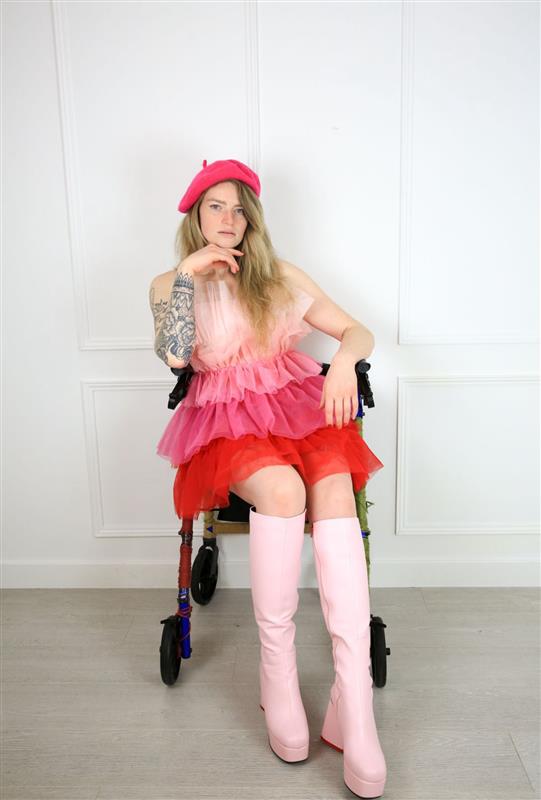
Megan is a disabled mum, influencer and disability advocate from Suffolk. She’s claimed PIP (personal independence payments) for three years. With the recent announcement of changes to disability benefits, Megan explains how PIP supports her daily life.
PIP enables disabled people to be more independent
PIP is a benefit for disabled people. Unlike other benefits like Universal Credit, it isn’t means tested and it doesn’t matter if you work or not.
On average it costs around £1,010 more every month to be disabled and so PIP can be really helpful to people like me. It gives us extra financial support for things like private medications, carers, mobility aids and home adjustments, but the payments don’t go far.
Changes to PIP could seriously impact disabled people. It gives us financial support to be independent and to have more freedom, as well as access to costly yet essential things we need.
The application process isn’t always easy
Accessing PIP is far from straightforward. The application process is lengthy and rigorous. Sense research found that almost half of disabled people (49%) with complex needs on benefits say they could not apply for benefits without help from others.
There are lots of forms, medical assessments, and evidence to gather. You’re then either given a face-to-face appointment, which isn’t always accessible, or a phone call instead. It can sometimes take over a year for you to get an answer.
Living with a disability is expensive
PIP is not a luxury, it’s a necessity that enables disabled people to access the things they need to not only survive, but to thrive. However, the standard PIP rates—£73.90 for daily living and £29.20 for mobility—barely cover any additional costs. Even the enhanced rates of £110.40 for daily living and £77.05 for mobility aren’t enough. Almost half (44%) of disabled people on benefits told us that they regularly go without the support and equipment they need as a disabled person because they simply can’t afford it.
Here are some of the ways I use my PIP:
- Supplements and medications: Daily supplements and private medications not covered by the NHS can cost me between £350 and £400 per month.
- Mobility aids: Things like wheelchairs, crutches and walking sticks can be expensive, and aren’t pretty! Disabled people deserve to have things that bring them joy while still being essential for their independence and safety.
- Household adjustments: Modifications like toilet frames, railings and safety cushions are necessary for daily living but can be costly.
- Prepared foods: For those with dietary restrictions or limited energy, pre chopped food and meal delivery services become essential, though often expensive. My airfryer allows me to cook for my kids safely and meal prep services mean I can easily microwave meals when I’m low on energy.
- Personal care items: Items like compression socks, earplugs, and hygiene products are vital for comfort and dignity but add to monthly expenses. Often the things I need aren’t available in the shops and so have to be sourced online and delivered which is an additional expense.
Proposed changes to PIP are scary for disabled people
Although not due to take effect until November next year, the recent proposed changes to PIP include things like tightening the eligibility criteria, making it harder for people to qualify. These changes will cut support for 800,000 people who claim PIP, putting them at risk of poverty. Disabled people don’t deserve to live in fear. Fear of losing their independence, of losing their access to accessible travel and private medication.
Changes to PIP will also affect disabled people who are able to work too. Sense polling found that 40% of disabled people with complex needs on PIP said that benefits helped them to access employment.
PIP is more than just a financial benefit, it’s a lifeline for many disabled people!
Get more information
Get more information about PIP and find out whether you’re eligible.